Sussex Sustainability Research Programme
Our research seeks to achieve global goals for humanity and the environment.
Tackle real-world challenges and build the skills to create a better world. Explore the complex history of human life in a dynamic, international community.
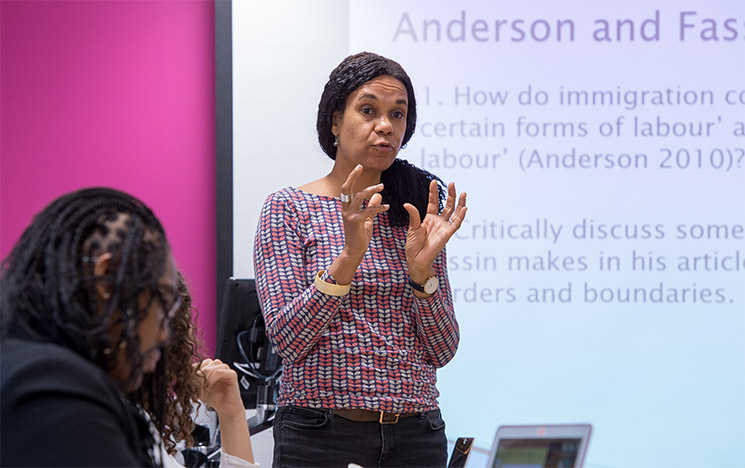
Our anthropology research tackles real-world problems and our teaching aims to create a better world. We want a world built on the principles of tolerance, equity and mutual understanding.
You’ll explore the complexities of human life with world-leading academics. We are leading global conversations on everything from identity and migration to climate change and social justice.
You’ll study in a supportive and engaging learning environment and learn to question assumptions. Teaching is through a variety of methods and includes practical fieldwork opportunities.
Why not join our dynamic, international community. Develop a richer understanding of the world, with the aim of helping you make a difference.
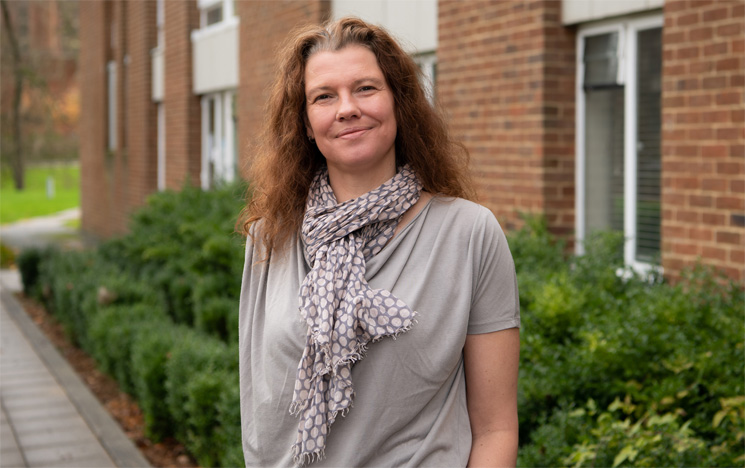
Magnus Marsden is Professor of Social Anthropology and Director of the Asia Centre at the University of Sussex. His work is centrally concerned with the study of Asia’s Muslim societies. Magnus has conducted extensive fieldwork in Pakistan, Tajikistan, and Afghanistan, as well as with diasporic communities from this region in the Gulf, Eastern Europe, and China.
Read Magnus’ story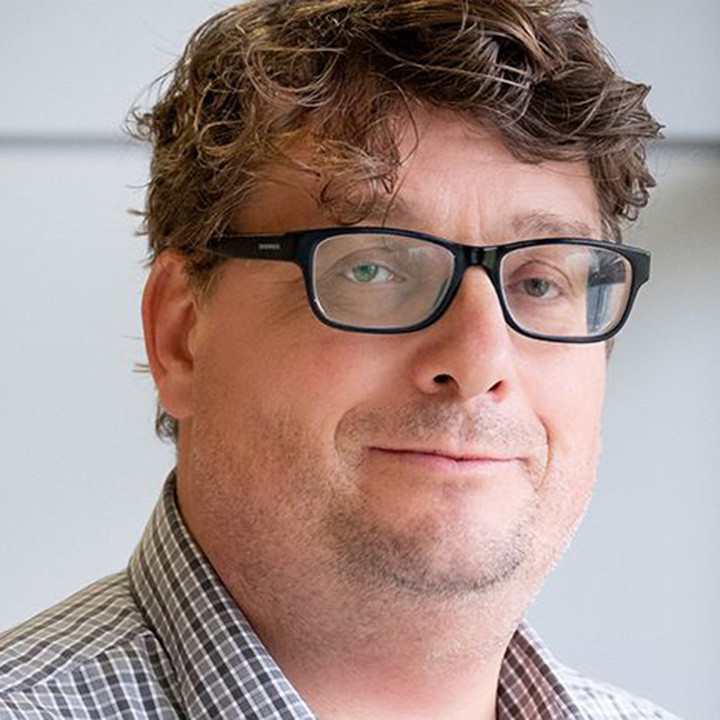
Explore all Sussex has to offer with our range of on-campus and online Open Days, events and campus tours.
Book an Open Day place
My name’s Teddy, I’m an Anthropology and International Relations student at here at Sussex, who’s primarily interested in learning about different cultures and nations and societies.
Today, I’m going to talk you through why I joined Sussex, my experiences here and where I plan to take my degree over the next few years and beyond.
So what really drew me to Sussex was it's amazing location. As a Londoner it was the perfect distance from home and I've always had really fond memories of being in Brighton.
My interest in university increased after I went to the Open Day where I walked around the campus and saw it had an amazing vibe, was surrounded by hills and forests and nature, which is definitely a bonus for me.
From the offset I really loved Sussex.
I made some really good friends in the first few weeks, some of whom I've spoken to previously on social media, and I found that my course is just as interesting as I expected it to be.
With a really accessible pace.
Anthropology is beyond fascinating, and it's so varied.
One week you'll be learning about gender, the next, family, and the next, the exchange system for a small town in Papua New Guinea.
There really is something for everyone on this course.
And that's why I found the research process so interesting for each essay.
As I've been able to customise and personalise what I write about based on my passions and interests.
Since being at university, my confidence has grown so much.
I've become way more independent, and my courses taught me how to analyse global issues to a much wider extent, and I'll carry this with me wherever I go in the future.
I'm really excited about where I'm going to take my degree in the next few years and beyond.
I'm currently in the process of researching a year abroad in between my second and third years, potentially in Malaysia, potentially in Prague or Milan or Istanbul.
This is a really exciting experience and the university is helping me with every step.
In terms of career prospects, there are a lot of different options I'm considering.
I'm currently looking into NGO work, Civil Service work or diplomacy, but primarily I want a job where I'm experiencing the cultures that I'm learning about every single day in my Anthropology course.
All in all, I just say get excited about university.
There's so much to look forward to, you're going to make so many friends and be able to explore your interests in ways you never have before.
Our research seeks to achieve global goals for humanity and the environment.
This project uses the arts as a way to improve access to landscapes for sight-impaired visitors.
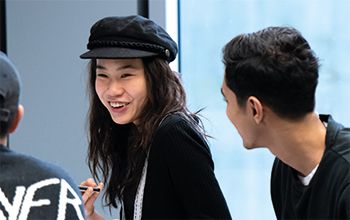
Dr Lyndsay McLean’s innovative research involved engaging and empowering young women researchers.
Maya’s research looks at health services focused on fertility control and the everyday realities people face.
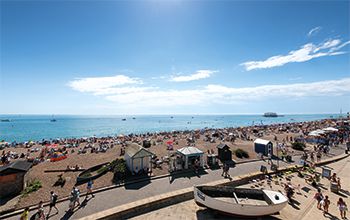
Could there be a better place to be a student than our beautiful campus? Nestled in the South Downs National Park, we’re just nine minutes from one of the UK’s most iconic cities.
To get a picture of life on our campus and the excitement of being in the city of Brighton, take our virtual tour.
Begin your 360° journey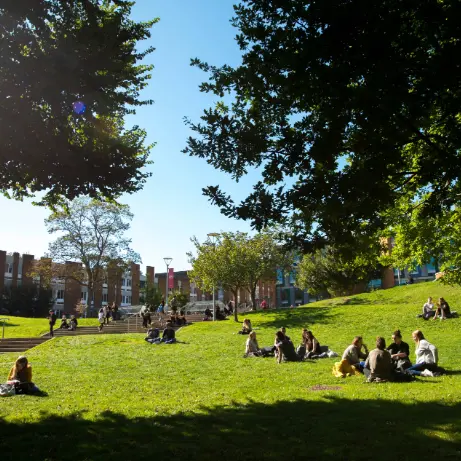
Find out more about fees, funding and student budgeting.
Uncover everything that Brighton has to offer – our city by the sea.
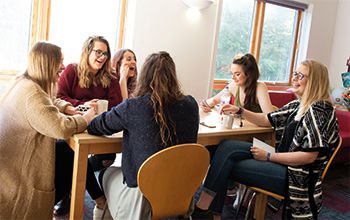
Take a look at our accommodation options, both on and off campus.