Department of Music

MA in Music and Sonic Media

"This Music and Sonic Media MA is exciting and timely. These are just the sort of ideas that are now bursting out to a full and rich expression in our culture and this programme presents an ideal opportunity to learn the know-how"
Jonathan Harvey, composer

The MA in Music and Sonic Media is a course for composers, sound artists and practitioners/theorists working in music and sound. You will compose, make sound art, devise music theatre, use music technologies and create film music. You will discuss contemporary forms of music and sound art informed by current music and artistic practices and by techniques, ideas and work in these fields over the past one hundred years.

The MA in Music and Sonic Media embraces music and sound as it is made now both within and beyond the concert hall, and in mediated forms. It is taught by faculty with international recognition in the practices and theories of composition, interdisciplinary sound creation, opera and music theatre, film music, performance, sonic art and computer music.

You will have access to superb facilities that include, in addition to the university's outstanding library, the music department's professionally equipped Jonathan Harvey Electroacoustic Music Studio for recording, synthesis and experimentation with sound diffusion.

Quick links:

Download the Music and Sonic Media brochure [PDF 75.91KB]

Download a powerpoint introduction to Music and Sonic Media [PPT 5..02]

For further information and enquiries please contact the School Office

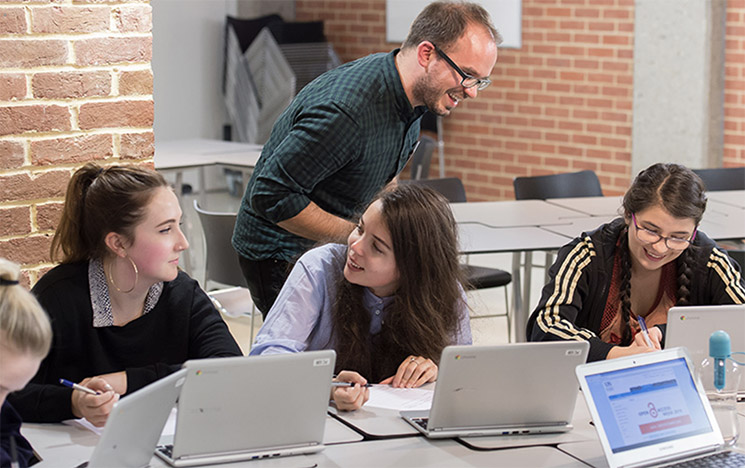
Music MA students in the School of Media, Film and Music

Tobey made this innovative score to a short film for a competition, while undertaking MA studies in Music at the University of Sussex.

More examples of students' work

Programme structure (full time)

Autumn

  • Sound Environments
  • Music and the Media of Performance

Spring

  • Composing for Media
  • Composition

(two options to be chosen each semester from the above or from available options in School of Media, Film and Music modules, which typically include Expanded Media: Forms and Practices, Interactive Media, Media Theory and Research and New Developments in Digital Media).

Summer

  • Creative Project or Dissertation through one-to-one tutorials with an academic supervisor 

Full-time students take two 30 credit modules in the Autumn, two 30 credit modules in the Spring, and then complete a creative project or dissertation in the Summer (60 credits).

Part-time students take one 30 credit module per semester over two years, and then complete a creative project or dissertation (60 credits) by the end of the second year of study.  

Each module typically requires two hours’ contact time per week during semesters, with related tasks and reading being set each week in advance.

During the course:

  • You will compose, make sound art, devise music theatre, use music technologies, and create film music.
  • You will engage critically with music and sonic art as practised both within and beyond concert spaces, and in mediated forms.
  • You will evaluate historical and current musical and sonic practices across a range of traditions, and consider their relation to developments in technology and interdisciplinary understanding.
  • You will acquire critical skills and creative skills needed to succeed in a range of employment contexts, including professional music and performance, and further study.

External links

The Music Department’s links with Glyndebourne over a number of years have resulted in visits by students to performances, workshops and masterclasses, pre-concert talks by Music Department researchers at Glyndebourne, and collaborative projects involving both students and staff.

In addition the School offers regular research seminars and programmes of visiting speakers who are often distinguished international scholars and/or practitioners. Speakers in the Music programme in recent years have included composer Jonathan Harvey, opera director Graham Vick, Hollywood film composer and jazz saxophonist John Altman, film composers Stephen Warbeck and Brian Lock, electronic composer and theorist Simon Emmerson, contemporary music singer Frances Lynch, and Glyndebourne Opera’s former Head of Education, Katie Tearle. Postgraduates also benefit from workshops by visiting professional performers, as well as the opportunity each year to present a showcase of their work at a public evening event in Brighton.

Apply now