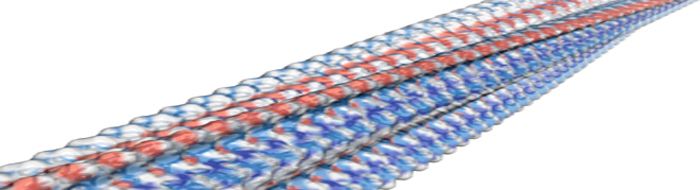
Find out about the people working in the Neurodegenerative Disease and Ageing Research Centre at the University of Sussex.
Professor Keith Caldecott
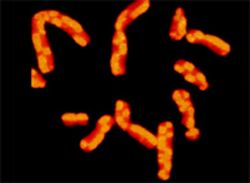 Chromosomal DNA strand breaks are the commonest and most cytotoxic lesions arising in cells and DNA strand break repair is lost or attenuated in a variety of human genetic diseases. Strand breaks result from the attack of DNA by endogenous and environmental agents. The repair of DNA breaks is critical for genetic integrity, cell survival and normal embryonic development in mammals. The Caldecott lab is focussed on identifying and characterising novel human proteins involved in the repair of DNA breaks, with particular respect to neurological disease, and understanding how this knowledge can be exploited in the clinic.
Professor Majid Hafezparast
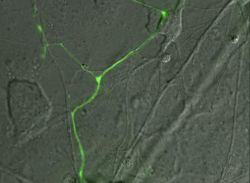 Research into the molecular and cellular basis of motor neuron disease is led by Hafezparast Group. Defects in axonal transport and RNA processing have been implicated in motor neuron disease . The Hafezparast group use a cohort of mouse and induced pluripotent stem cell (iPS) model systems to gain insight into the molecular mechanisms of motor neuron disease caused by mutations in the components of axonal transport and RNA processing.
Dr Sarah King
Sarah King is a molecular and behavioural neuroscientist who uses genetic approaches to investigate the underlying neurobiological processes that control behaviour. She has particular interest in using genetically manipulated mice carrying the human ApoE genes to investigate their role in cognition across the lifespan. In so doing she aims to investigate the neurobiological mechanisms underlying the transition to cognitive decline in ApoE4 carriers to find new targets for preventative treatments for Alzheimer’s.
Professor Nigel Leigh
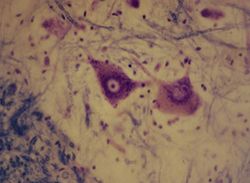 Over the last 25 years my research has focused on the causative mechanisms, clinical manifestations, management, and treatment of motor neuron disease (amyotrophic lateral sclerosis), and other neurodegenerative diseases, particularly ‘parkinson plus’ syndromes, PSP and MSA. This strategy will continue at BSMS, starting with collaborations on epigenetic factors in MND (Dr M Hafezparast and Dr S Newbury; Dr Dennis Chan; Dr Martin Turner, Oxford University), molecular imaging (Professor M Cercignani), and experimental therapeutics and clinical trials (Professor Simon Ward; Dr Gilbert Bensimon, Paris; Allon Pharmaceuticals; GSK).
Professor Jennifer Rusted
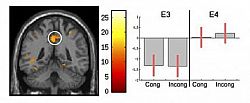 Jennifer Rusted is a psychologist interested in human memory, normal and abnormal cognitive ageing. Her work explores the impact of the APOE4 polymorphism (an established risk factor for late-life dementia) across the lifespan. She is also interested in how lifestyle factors (such as exercise and diet), pharmacological and behavioural interventions may enhance cognitive function in older people and may interact with genetic risk factors to influence the onset and the trajectory of late-life dementia.
Professor Louise Serpell
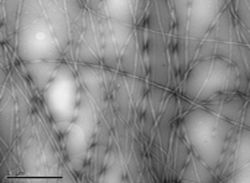 The Serpell group are examining the structure of self-assembling peptides that are associated with protein misfolding diseases such as Alzheimer's disease. In these diseases, peptides assemble to form toxic oligomers and insoluble amyloid fibrils. The research aims to better understand how these toxic assemblies of peptides lead to the degeneration of neurons in the brain of Alzheimer's patients. In particular, how the structure of the proteins involved in Alzheimer’s disease may lead to neuronal dysfunction and cell death. These mechanisms are fundamentally linked to the spread of pathology and the memory symptoms observed in AD patients.
Dr Kevin Staras
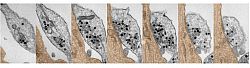 Kevin Staras is a neuroscientist with an interest in operational properties of synapses in circuits of hippocampal neurons. The research has major implications for current models of neuron-neuron communication and for understanding forms of plasticity underlying learning and memory. Additionally, uncovering the fundamental processes of synaptic function offers novel insights into cellular and molecular mechanisms associated with types of neural dysfunction. In collaboration with Louise Serpell, he has been examining the effects of amyloidogenic oligomers on presynaptic transmission characteristics.
Dr Julian Thorpe
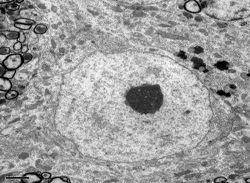 I am a biological electron microscopist by training, with a particular research interest in the area of neurodegeneration. I specialize in using immunogold labelling transmission electron microscopy (TEM) approaches to investigate the pathology and molecular pathogenesis of various neurodegenerative diseases utilising both post-mortem human brain tissues and animal and cell models of diseases.