Department of Media and Film

Studying the media has a long tradition at Sussex. From its earliest days the University had a lively interest in film, and we launched our first Media Studies degree in 1989, with Roger Silverstone as our first professor in 1991. Today we have a top rated department with an exciting breadth of study, enabling our BA students to specialise in Communication and Media Studies, Film Studies or Media Practice. Within Media Practice, you can specialise in TV documentary or drama, in sound, in photography, or in digital media. If you take Film Studies or Communication and Media Studies you can also take courses in media practice, and you can take film or media courses on the Media Practice degree. We also offer Joint Degrees in both Film and Media. Finally, you can study Cultural Studies with us as a Joint Degree.

While our BA degrees offer you a combination of breadth and depth, at MA level we offer more specialist study. You can take MA degrees in Media and Cultural Studies, Film Studies or Digital Media. If you want to specialise in media practice you can take our MA in Digital Documentary or our MA Creative Media Practice. Finally, you can take one of three MA degrees in journalism. Our MA Multimedia Journalism  also offers you the opportunity to obtain a professional qualification from the National Council for the Training of Journalists (NCTJ), whilst our broader MA Journalism and Media Studies or MA Journalism and Documentary Practice combine journalism with other elements of study. We offer a number of bursaries on all MA degrees.

Finally, we offer a range of doctoral programmes: in media and cultural studies (including journalism studies), film studies, creative media practice and gender studies. Here too we have bursaries available.

Teaching and Learning

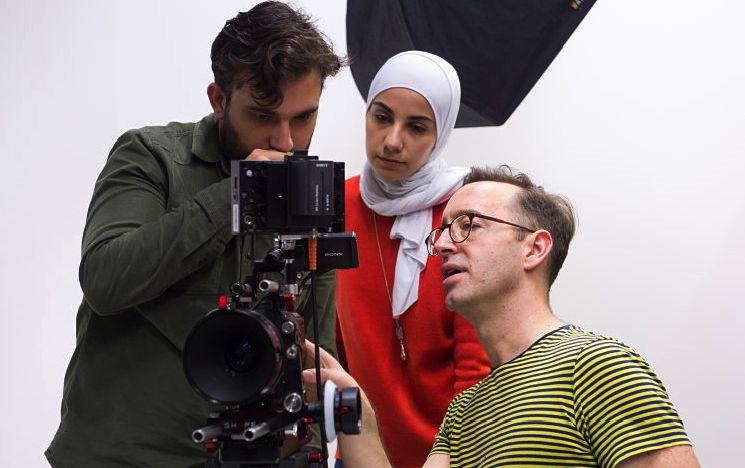
With all our degree programmes we aim to equip our students with a rigorous critical and creative understanding of how the media in all their forms - as technologies, institutions, practices and texts - figure in modern life. Our students come from all over the world to develop their skills in media research and analysis, in creative media production, and in critical reading and thinking. They work, independently and collaboratively, in lectures, workshops, seminars and tutorials. They produce analytic and creative work, and develop practical production skills in film and video, digital imaging, photography and sound. They have opportunities to meet experts in their field, to submit their work to festivals, and to work outside the University. Our production facilities are excellent and we have a dedicated media and film resources centre. We have links with many Brighton-based, national and international creative and media organisations.

Our Staff and Research

All of our lecturers are internationally recognised researchers and creative practitioners, so that our students are taught by scholars and practitioners internationally respected in their fields. Our dedicated production tutors ensure that Media Practice students get the best personal support for their work. Our visiting lecturers bring home both the work of international scholarship and the experience of high level media practice.

Our research ranges across the full breadth of film studies, media studies, cultural studies and creative media practice. From Michael Bull’s work on mobile media technologies and how we use them to Frank Krutnik’s on film noir and Hollywood comedy and Caroline Bassett’s on new developments in digital media, from Sally Munt’s work on the politics and culture of emotion to Rosalind Galt’s on global cinemas – all of our research is internationally recognised. Our creative practitioners too are at the forefront of their field, from Lizzie Thynne’s film documentaries to Mel Friend’s award-winning photography and Kirk Woolford’s interactive installations. We are home to two important research centres. The Centre for Research into Digital Material Culture brings together our critical and creative work on digital media and their impact on our lives, whilst the Sussex Centre for Cultural Studies draws together work on representation and identity. Linking both is a concern for issues of equality and difference, of gender and sexuality, and of social and cultural power.

Campus Life

Sussex has one of the most beautiful campus locations in Britain. Situated in rolling parkland on the edge of Brighton, the campus combines award-winning architecture with green open spaces. The campus is surrounded by the South Downs National Park, but just a few minutes away from the lively city of Brighton and Hove and less than an hour from London by train.

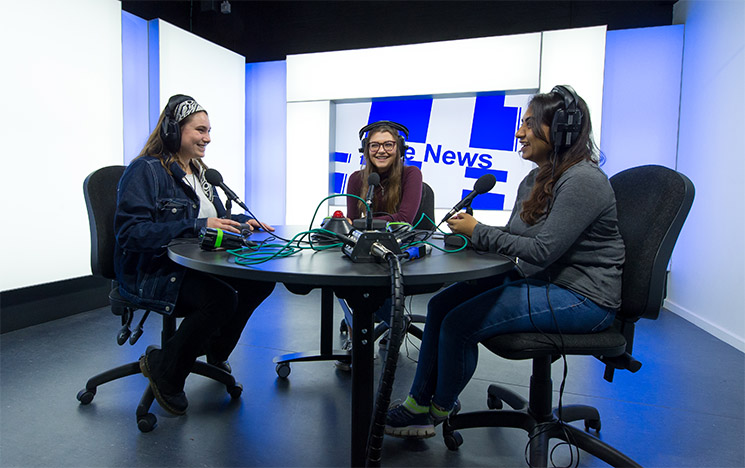
The campus also hosts the new Attenborough Centre for the Creative Arts, which offers our media practice students exhibition and performance opportunities. Our students run their own campus TV station, the award-winning UniTV, and film society, and there is a campus radio station and student newspaper.

Media and Film at Sussex offers you the opportunity to explore all the ways in which media and film are central to today’s society and how you – whether as analyst or as practitioner – can shape their future.