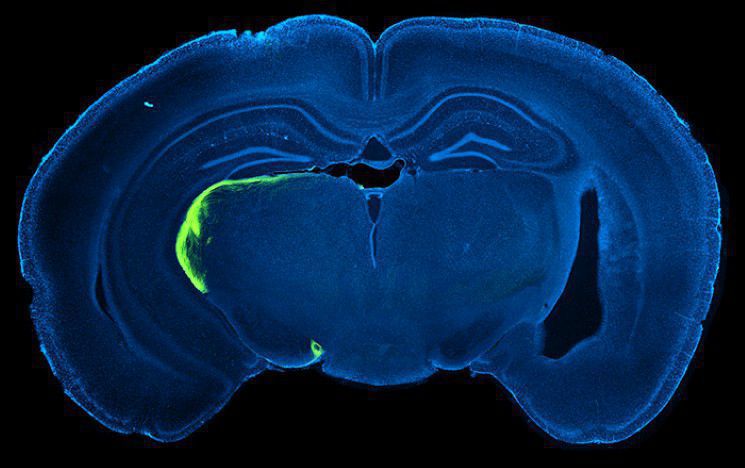
The research activities of the Neuroscience subject group are aimed at understanding the structure, function and development of the nervous system, and the causes of various neurological disorders. We have particular strengths in the senses, synaptic physiology and the molecular and cellular mechanisms of learning and memory.
Our work utilizes a range of techniques, from molecular biology to electrophysiology and multiphoton microscopy, and a range of organisms, from mice to zebrafish and fruit flies. We are funded by programme and project grants from The Wellcome Trust, The MRC and the BBSRC. Many of us will soon be located in a new Centre for Neuroscience - a three-storey building specially refurbished to provide the infrastructure required for the best research. This building will foster a highly interactive and collaborative way of working, with substantial sharing of space and facilities. Refurbishment should be complete by the end of 2013. The research of laboratories in the Neuroscience Subject Group is summarized below.
Principal investigators and labs
Dr Claudio Alonso
Work in the Alonso Lab investigates the molecular mechanisms controlling gene function during animal development. In particular, we seek to define the mechanisms and roles of RNA regulation within the genetic programs that underly the formation of complex tissues, such as the nervous system.
For more information visit the Alonso Lab website.
Professor Paul Benjamin
The Benjamin Lab carries out research in neuroscience, particularly in the field of learning and memory.
For more information visit the Benjamin Lab website.
Professor Juan-Pablo Couso
Our work is currently focused on the identification and characterization of new genes encoding small peptides, that is genes with small Open Reading Frames (smORFs). This work and that of others is creating a new field that has the potential to change the way we perceive what a gene is, and what is the information content of a genome.For more information visit the Couso Lab website
Dr Majid Hafezparast
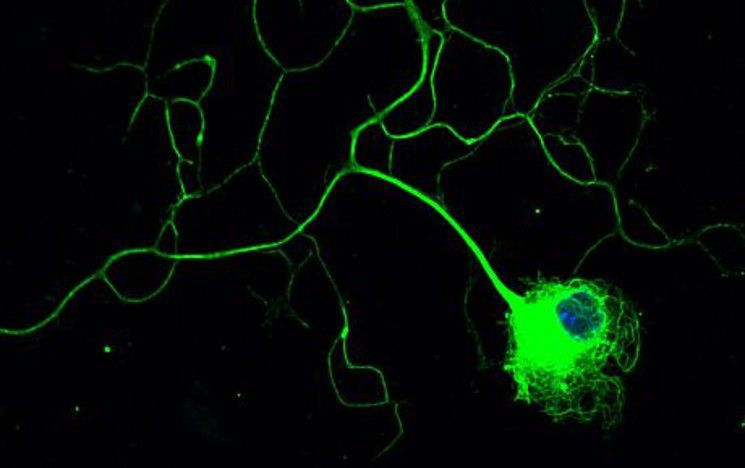
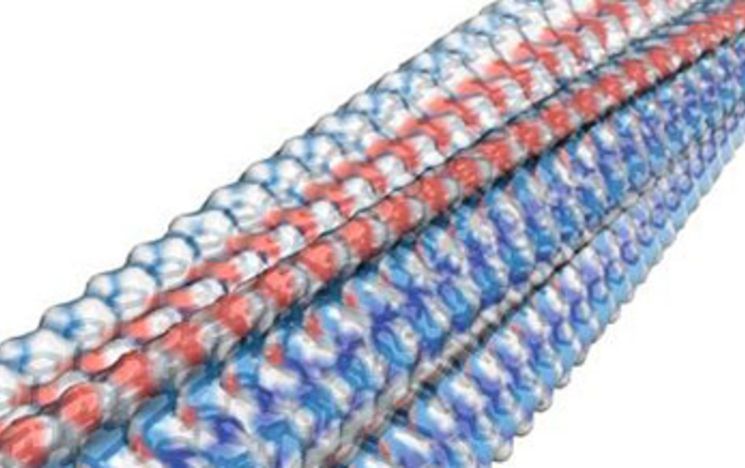
Axonal transport and neurodegenerative disease
For more information visit the Hafezparast Lab website.
Professor George Kemenes
Despite the long evolutionary distance and obvious differences in body design and behaviour, there are remarkable similarities between the molecular mechanisms underlying associative learning in vertebrate and invertebrate animals.
For more information visit the Kemenes Lab website.
Dr Ildiko Kemenes
For more information on Dr Kemenes please visit her profile page.
Dr Sergei Korneev
One of the most intriguing developments in modern molecular biology is the discovery that a large proportion of the eukaryotic genome gives rise to RNA molecules that do not encode proteins. The sheer scale of this phenomenon has forced scientists to realise that the complexity of genetic programming in higher organisms including humans has been greatly underestimated.
For more information visit the Korneev Lab Website
Professor Corne Kros
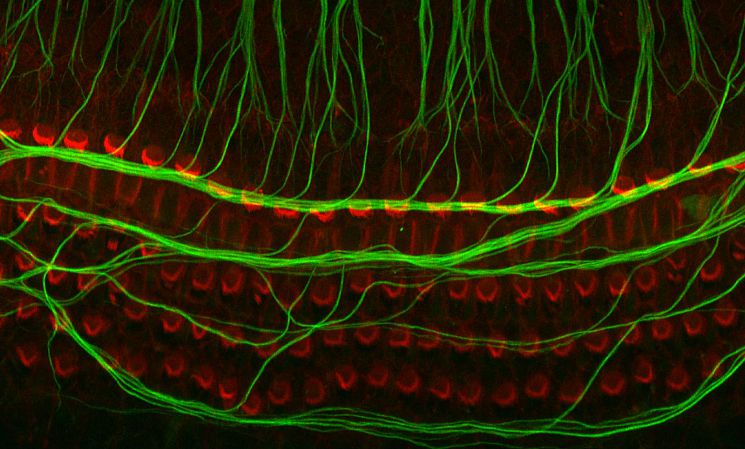
The Kros lab is equipped to study the function and development of auditory hair cells – specialized cells in the inner ear that convert sounds such as speech and music into electrical signals that the brain can interpret. Current projects are focused on:
- trying to protect the hair cells from damage by a class of antibiotics, the aminoglycosides, that have irreversible hearing loss as a side effect
- understanding the importance of spontaneous electrical activity in hair cells before the onset of hearing.
For more information visit the Kros Lab Website
Professor Leon Lagnado
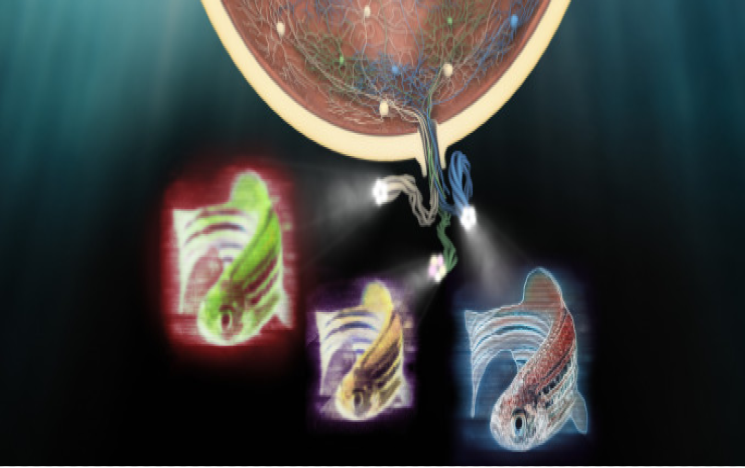
We are investigating the cellular and molecular mechanisms regulating synaptic transmission and the way these determine the processing of information by a neural circuit. The circuit we are concentrating on is the retina and the question that guides our research is “how do synapses in the retina extract and transfer the information in a visual stimulus?
For more information visit the Lagnado Lab Website
Professor Mike Land FRS
For most of my research career I have worked in two main fields: Animal Vision and Human Eye Movements. More recently I have become interested in the old problem of how we maintain a stable world in spite of movements of eyes, head and body.
For more information visit the Land Lab website
Dr Jeremy Niven
The Laboratory of Evolutionary Computational Neuroscience seeks to understand both how and why nervous systems have evolved. Through a variety of techniques and preparations, we aim to understand how neural circuits work and the selective pressures that operate on them. To do this, it is essential to relate neural function in vivo to behaviour. We use computational approaches to support our experimental work and to provide insights into neural evolution.
For more information visit the Niven lab website
Dr Mark Maconochie
The overall focus is to understand how the fundamental genetic pathways are co-ordinately regulated during mammalian inner ear development, with a particular focus on signalling pathways directing formation of the sensory patches and their inervation.
For more information visit the Maconochie lab website
Professor Michael O'Shea
I am interested in figuring out how the brain works. While in pursuit of this arguably unattainable goal, I have not constrained myself to any single system or methodology. That said, I have prioritised the simplest systems that are capable of shining light on some of the most puzzling properties of the most complex brain of all - namely the one residing in your head (and my own). This catholic approach to interdisciplinary neuroscience has led me from animal behaviour to cellular mechanisms of neuronal plasticity, gene regulation in neurons and on to computational modelling and robotics.
For more information visit the O'Shea lab website
Professor Guy Richardson FRS
Work in the Richardson Lab is concerned with understanding how the inner ear works and develops, and on unravelling some of the many causes of deafness and balance disorders.
For more information visit the Richardson Lab website.
Dr Kevin Staras
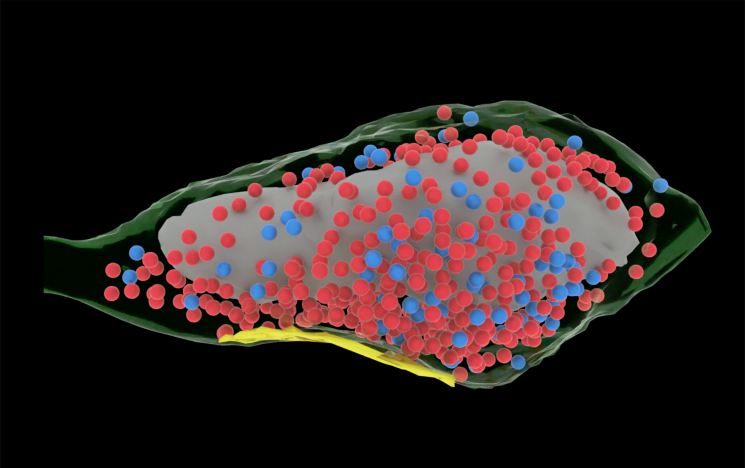
Dynamic properties of synapses in hippocampal neurons
Chemical synapses are the key sites for transmission of information around neuronal networks in the brain. My laboratory looks at the operational properties of synapses in circuits of hippocampal neurons. The research has major implications for current models of neuron-neuron communication and for understanding forms of plasticity underlying learning and memory.
For more information visit the Staras Lab website.
Dr Julian Thorpe
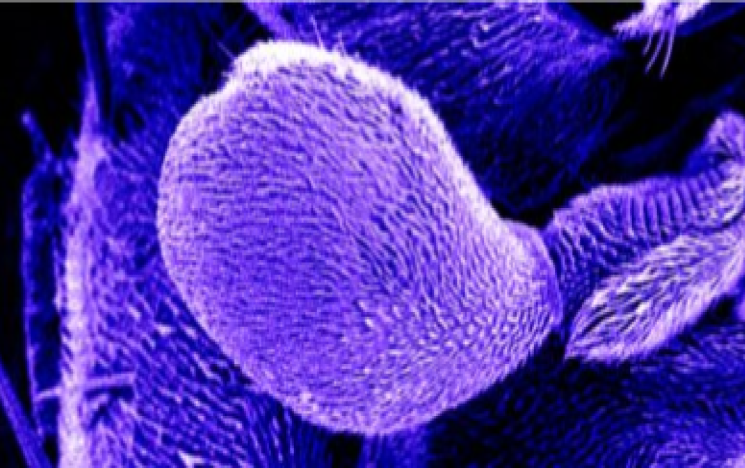
I am a biological electron microscopist by training and am responsible for the electron microscopy facilities within the 'Sussex Centre for Advanced Microscopy' in the School of Life Sciences. As this is a Central Service Facility, there is a wide variety of research projects ongoing at any given time and I thus collaborate extensively with my colleagues and their research teams and students and with those of some other Schools here at Sussex, and with some external researchers.
For more information visit the Thorpe Lab website.