Global Studies research
Learn about our research, groups and centres, cutting across different fields of study.

Our research approach
We are known for our innovative research bringing together different fields of study. This work happens in special research centers that encourage collaboration amongst you and our researchers, and experts from around the world.
We have more than 150 PhD students and post-doctoral researchers in our vibrant community.
We welcome visiting scholars, researchers, and practitioners to join us and share their expertise. Our team is always eager to share what we’ve learned.
We value working with other universities, government agencies, nonprofits, businesses, and the media to make a bigger impact. Read the Global Studies school research strategy [PDF 239KB].
Research impact case studies
View our performance in the 2021 Research Excellence Framework.
Centres of Excellence
The School of Global Studies contributes thinking towards two world-renowned Centres of Excellence:
Research centres and projects
There are many research centres at Sussex. The ones relating to Global Studies include:
- Centre for Advanced International Theory (CAIT)
- Centre For Global Political Economy
- Centre for Cultures of Reproduction, Technologies and Health
- Centre for Rights, Reparations, and Anti-Colonial Justice
- Sussex Asia Centre
- Climate@Sussex
- Centre for Global Health Policy
- Sussex Centre for Migration Research
- Sussex Sustainability Research Programme
- Sussex Centre for Global Insecurities Research (CGI)
- Centre for Coastal Research
- Browse our research projects
- CarbonMap initiative for sustainable land management
- Delivering food security and biodiversity conservation through rewilding and community agriculture
- Developing an ecosystem of business networks to support SMEs transition to the circular economy
- Documenting the recovery of the Sussex inshore ecosystem post trawling byelaw
- People, pollinators and pesticides in peri-urban farming
- Ripple Effect: advancing waterway resilience in Sussex, England
- Religion and Foreign Policy Initiative
- Roots of change: a just wilding transition for the agri-food system
- South Coast sustainability: Capacity building to create sustainable land use systems
- Uncertain pedagogies for youth and community resilience (follow-on project: Creating with Uncertainty. Covid recovery to educate for sustainable futures)
- Understanding place-based knowledge and its boundaries for sustainability transitions
- Resilience in Eastern African Land – Nature based Solutions
- The Afterlives of Urban Muslim Asia: Alternative Imaginaries of Society and Polity
Explore more research

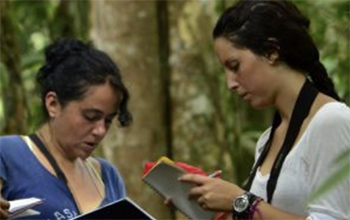

Our research network

Academic visitors
The Faculty of Social Sciences welcomes visiting academics, researchers, students and practitioners.

Advisory board
View the members of our academic advisory board and read their profiles.
You might also be interested in:
*Photo by Greg Rakozy on Unsplash