Sussex Centre for Consciousness Science
Explore the research, activities and people in the Sussex Centre for Consciousness Science (SCCS), a Centre of Excellence.
Welcome to the Sussex Centre for Consciousness Science
Our mission at SCCS is to advance the scientific and philosophical understanding of consciousness and to use the insights from this research for the benefit of society, medicine and technology.
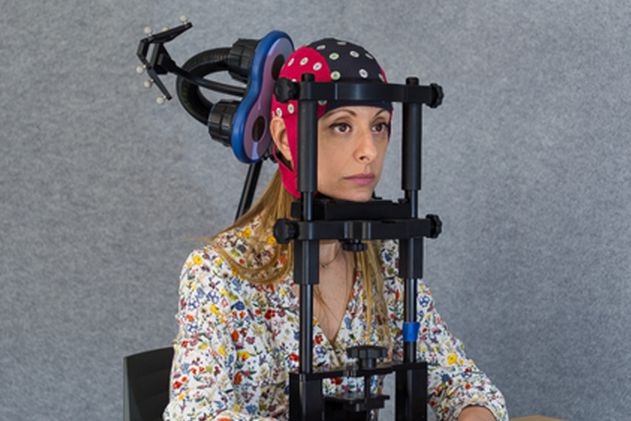
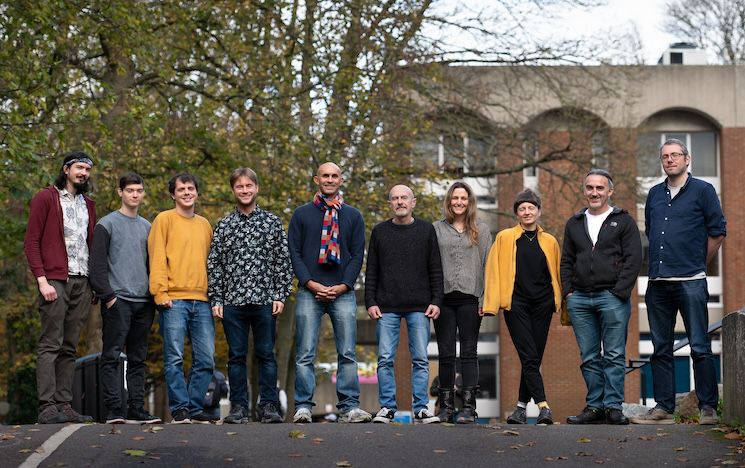
Image credit: Barry Falk 2018
SCCS Symposium 2026
14th October 2026
Keynote speaker: Professor Fiona Macpherson
Bio: Professor Fiona Macpherson (FRSE, MAE) is Professor of Philosophy at the University of Glasgow and founding Director of the Centre for the Study of Perceptual Experience. Her research focuses on philosophy of mind and perception, including consciousness, sensory experience and imagination. She has published widely and collaborates on interdisciplinary projects with scientists and artists. She currently serves as President of the British Philosophical Association.
Centre of Excellence
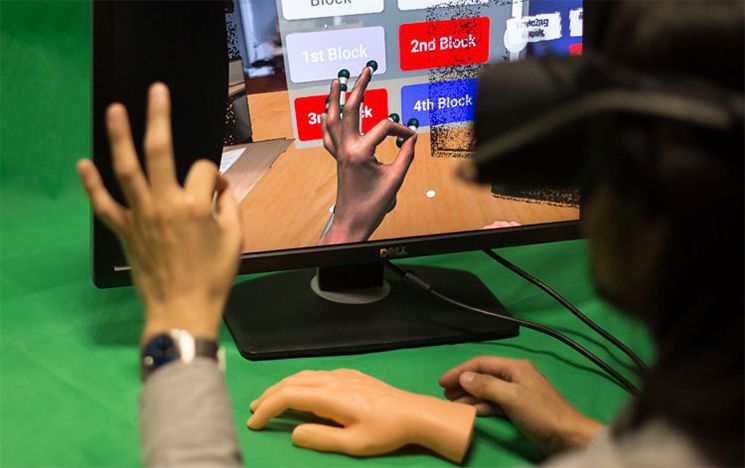
As experts in the field of consciousness science, we are proud to be one of 12 Centres of Excellence at the University of Sussex.
Find out more about our Centres of Excellence.
Is consciousness a controlled hallucination?
Watch this video and hear from Prof. Anil Seth, our Centre Director, about taking on impossible challenges and driving progress for our planet, and its people.
- Video transcript
Professor Anil Seth: With dividing the problem in different ways the impossible can often be made possible.
[MUSIC: Whooshing]
[TITLE CARD: ‘Sussex Centre for Consciousness Science’]
Professor Anil Seth: One of the greatest unsolved mysteries in science and philosophy
[MUSIC: Rising mysteriously]
Professor Anil Seth: is how conscious experiences arise from the biology of our brains and our bodies.
[MUSIC: Boom sound effect into stirring piano score]
[ON SCREEN TEXT: ‘Professor Anil Seth - Director, Sussex Centre for Consciousness Science’]
Professor Anil Seth: The Sussex Centre for Consciousness Science aims to unravel this mystery. My own theory is that conscious experiences are best explained as forms of controlled hallucinations.
[Echoes of Anil’s voice tails off “hallucinations”]
Professor Anil Seth: We brought together researchers from many different disciplines, from neuroscience to philosophy, mathematics to psychiatry
[Camera shutter noises as we flick through still photos of the subjects]
Professor Anil Seth: to get new insights and helping to drive applications in technology, medicine and society.
[Camera shutter noises as we flick through still photos of the applications]
[MUSIC: Upbeat world influenced track]
Professor Anil Seth: At Sussex we recently led a project called the Perception Census, investigating how we each experience a unique world.
Professor Anil Seth: In less than two years we've had more than 33,000 people take part from over a hundred countries. The results could transform our understanding of how and why we each experience the world in our own distinctive way.
[MUSIC: Light reverb]
[END CARD: University of Sussex logo ‘Impossible until it’s done’ with URL sussex.ac.uk/impossible]
Join us
Discover opportunities to join the Sussex Centre for Consciousness Science team, including funded PhD scholarships.
Start your journey