Our research
The Sussex Centre for Consciousness Science is one of the University of Sussex’s 12 Centres of Excellence. Our aim is to advance the scientific and philosophical understanding of consciousness, and to use the insights from this research for the benefit of society, medicine and technology.
Key facts
- The University of Sussex has been an international focus for consciousness research since 2010, with the founding of its first interdisciplinary research centre dedicated to the topic.
- The Sussex Centre for Consciousness Science brings together faculty, postdoctoral researchers, and PhD students across four academic schools: School of Informatics and Engineering; School of Psychology; School of Media, Arts, and Humanities, and the Brighton and Sussex Medical School (BSMS). We also have strong links with the School of Life Sciences, via Sussex Neuroscience.
- The Centre hosts PhD students through a dedicated annual studentship as well through other Sussex doctoral schemes such as those associated with Sussex Neuroscience and Sussex AI.
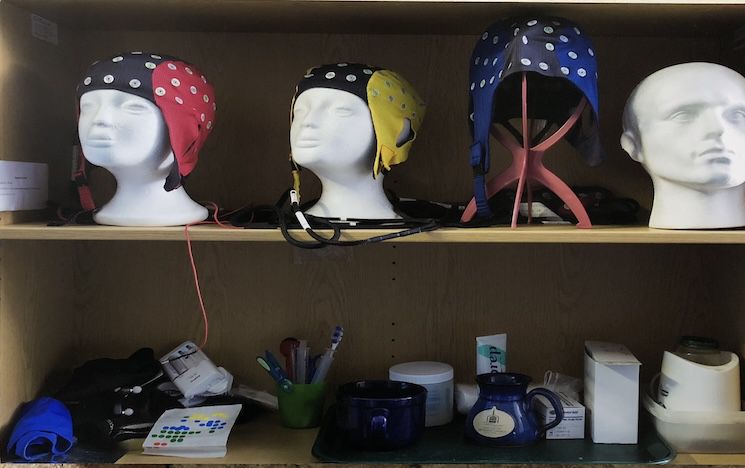
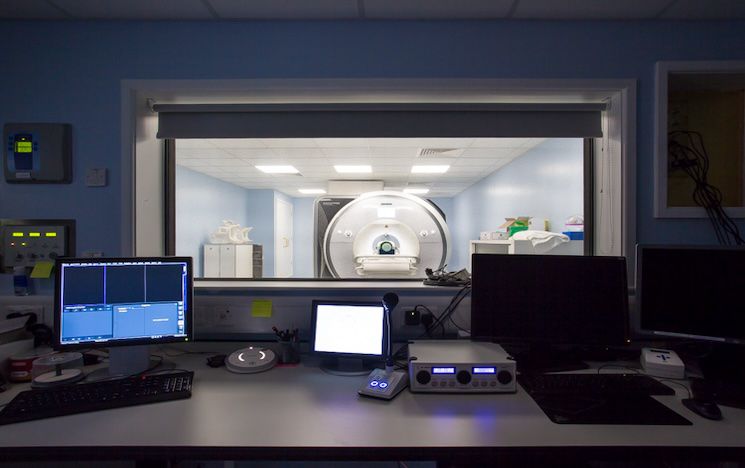
- Members of the Centre have access to cutting-edge research facilities including MRI, EEG, transcranial magnetic stimulation, VR/AR, psychophysics laboratories, and more. Some of these facilities (e.g. EEG and TMS) are dedicated to the Centre.
- The Centre is directed by a core team including Prof. Anil Seth (director, Informatics), Dr Adam Barrett (deputy director, Informatics), Dr. Jenny Bosten (deputy director, Psychology), Prof. Sarah Sawyer (deputy director, Philosophy), and Prof. James Stone (deputy director, BSMS).
- Find out more about our our people page and check out our recent publications.
Join us
Discover opportunities to join the Sussex Centre for Consciousness Science team, including funded PhD scholarships.