MRC Genome Damage and Stability Centre

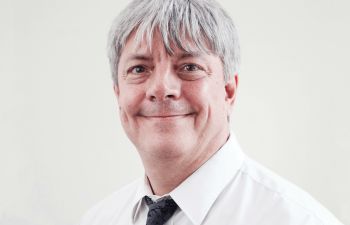
photo of Mark O'Driscoll

Prof Mark O'Driscoll

Post:Professor of Human Molecular Genetics (Genome Damage and Stability)
Location:Genome Centre G4.03
Email:M.O-Driscoll@sussex.ac.uk

Telephone numbers
Internal:7515
UK:(01273) 877515
International:+44 1273 877515
download vCarddownload vCard to your mobile

Biography

Professor of Human Molecular Genetics.


2007-2013 

Cancer Research UK Senior Cancer Research Fellow, Genome Damage and Stability Centre, University of Sussex, UK.


2002-2007.

Senior Research Associate and Leukaemia Research Fund UK Fellow in the Jeggo laboratory at the Genome Damage and Stability Centre, University of Sussex, UK.


1999-2002.

Medical Research Council Postdoctoral Fellow at the Medical Research Council Cell Mutation Unit, University of Sussex, UK. 


1995-1999.

PhD University College London Dept of Biochemistry and Molecular Biology. Research Studentship was carried out at the Imperial Cancer Research Fund (now Cancer Research UK) Clare Hall Laboratories, South Mimms, Herts, UK under Dr. Peter Karran.


1991-1995.

BSc (hons) Biochemistry (1st Class) National University of Ireland, University College Cork, Dept of Biochemistry, Ireland.  


Role

Professor of Human Molecular Genetics.

Human DNA Damage Response Disorders Group.

Genome Damage & Stability Centre

http://www.sussex.ac.uk/lifesci/odriscolllab/

Human DNA Damage Response Disorders Group Site

http://www.sussex.ac.uk/lifesci/odriscolllab/


Research


Understanding the molecular basis of human Microcephalic Primordial Dwarfism.

This family of conditions is characterised by profound short stature associated with a severely reduced head circumference denoting an extreme impairment of normal brain development (microcephaly). Very often, the skeletal system is also affected in these disorders. The archetypal example of such conditions is Seckel syndrome, first described as a distinct clinical disorder in 1960 by Dr. Helmut Seckel in a monograph entitled “Bird-Headed Dwarfs. Studies in developmental anthropology including human proportions”. This condition is characterised by a dramatic proportionate dwarfism evident even in utero, a characteristic facial appearance (small chin, protruding nose, receding forehead), severe microcephaly (reduced head circumference) and isolated skeletal abnormalities. We characterised the first identified genetic defect in this disorder as a hypomorphic mutation in gene encoding ATR (ataxia telangiectasia and Rad3-related) , a protein kinase that plays a central role in the DNA damage response (O’Driscoll et al Nat Genet 2003). A ‘humanised’ mouse model of this defect was created by Murga and colleagues (Murga et al, Nat Genet 2009) underscoring the importance of this DNA damage response pathway for normal development and maintenance of tissue homeostasis (O’Driscoll M, Nat Genet 2009, O’Driscoll M, DNA Repair 2009). Recently, we have been involved in a study describing novel ATR mutations in additional cases of Seckel syndrome as well as a novel defect in ATRIP, the ATR interacting protein (Ogi et al PLoS Genet 2012). This work helps consolidate the clinical presentation of impaired ATR-ATRIP function in humans.

We have also been involved in other studies that have identified novel defects in related conditions including Pericentrin (PCNT) and Origin Recognition Complex 1 (ORC1) in Microcephalic Primordial Dwarfism Type II and Meier-Gorlin syndrome respectively (Griffith et al Nat Genet 2008 and Bicknell et al Nat Genet 2011). These studies highlight the previously hitherto underappreciated significance of defects in centrosome function and DNA replication licensing to normal human development. Interestingly, we have also identified specific ATR-pathway defects in cells from these conditions and are currently pursuing the characterisation of novel defects in these genetically heterogeneous disorders.


Defective ATR-pathway function and skeletal development.

Several isolated skeletal abnormalities are associated, to varying degrees, with Microcephalic Primordial Dwarfism syndromes. Specific examples include, fifth finger clinodactyly, thoracic kyphosis, joint dislocation, ivory epiphysis, delayed ossification, absent patella and dental malocclusion. The molecular aetiology of these clinical features is currently unclear. Using model cell-based systems for osteogenesis and chrondrogenesis we have been investigating how, at the molecular level, defects in genes associated with these conditions can impact upon these processes. Specifically with regard to chondrogenesis and chondroinduction, we have developed a differentiation based system that employs patient-derived material, thereby carrying the clinically relevant pathogenic defects.


Understanding the interplay between mTOR pathway and the DNA damage response.

Components of the mTOR pathway, specifically PKB/AKT are often over-expressed/hyperactive in malignancy and represent important drug targets for cancer treatment. In fact, mis-regulated mTOR function underlies several cancer predisposition syndromes including Cowden syndrome (PTEN mutations), Tuberous sclerosis (TSC1/2 mutations) and Peutz-Jeghers syndrome (LKB1 mutations). We have been involved in studies identifying novel congenital defects in components of the mTOR signal transduction network. We recently functionally characterised cell lines from patients with complex developmental conditions (Megalencephaly-capillary malformation and Megalencephaly-polymicrogyria-polydactyly-hydrocephalus syndromes), with novel defects in AKT3, PIK3R2 and PIK3CA, showing that hyperactive signal transduction through the mTOR network underlay these disorders (Riviere et al Nat Genet 2012).

Interestingly, various components of the insulin-IGF (insulin growth factor) axis appear to be substrates of ATM/ATR following DNA damage, although the physiological relevance of this remains unclear (Matsouka et al Science 2007). The Insulin-IGF axis plays a fundamental role in cell and organism growth. Interestingly, defective ATR-pathway function in humans is characterised by profound growth retardation. We are currently studying the functional interplay between these pathways using cells from individuals with Microcephalic Primordial Dwarfism and those with congenital defects in the Receptor tyrosine kinase-mTOR pathway.


Genomic Disorders.

We run several projects characterising the functional significance of copy number variation (CNV; deletion and/or duplication) of genes that are known to function in various aspects of cell cycle checkpoint control, DNA repair and DNA damage signalling, using material derived from individuals with diverse human Genomic Disorders (see Colnaghi et al Sem Cell & Dev Biol 2011 for an overview). To date, we have characterised novel and specific DNA damage response defects in cells from well known Genomic Disorders including Miller-Dieker Lissencephaly and Williams-Beuren syndromes (O’Driscoll et al Am J Hum Genet ), 1q21.1 CNV syndrome (Harvard C et al Orphanet J Rare Diseases 2011), DiGeorge/Veleocardiofacial syndrome and rec(3) syndrome (Colnaghi R et al Sem Cell & Dev Biol 2011), as well as other well known syndromes such as 17p13.3 duplication syndrome (Outwin E et al PLoS Genetics 2011) and Wolf-Hirschhorn syndrome (Kerzendorfer et al Hum Mol Genet 2012). This findings offer new insight into the distinct pathomechanisms underlying the clinical presentation and progression of these conditions.


Defective ubiquitin pathway function and syndromal mental retardation.

In this diverse group of disorders, we are interested in understanding how primary genetic defects in ubiquitin pathway components can impact on various aspects of the DNA damage response and how these combine to present clinically. For example, we have found that cells derived from patients with mutations in the E3-ubiquitinin ligase Cullin 4B are highly sensitive the topoisomerase I (Topo I) poison camptothecin (CPT) and that this sensitivity is likely a result of impaired CPT-mediated Topo I degradation suggesting Topo I to be a CUL4B-dependent substrate (Kerzendorfer et al Hum Mol Genet 2010). We are currently working on understanding other impacts of defective CUL4B function, on how these may contribute to the human disorder or could be exploited to sensitise cells to certain DNA damaging agents (Kerzendorfer et al Mech Ageing & Dev 2011). We are also working on understanding the pathophysiological impact of clinically relevant deficits of other syndromal mental retardation genes that encode ubiquitin pathway components with specific relevance to the DDR and genome stability networks.


‘Novel’ DNA damage response-defective disorders.

Many human DNA damage response/repair defective disorders exhibit the specific clinical combination of microcephaly and pre- and post-natal growth retardation. Provocatively, the medical literature abounds with clinical descriptions of genetically uncharacterised syndromes exhibiting similar features, many of which also appear to be cancer prone. Whether any of these disorders are caused by a defective response to DNA damage is unknown. Recently, we were involved in a study identify a pathogenic defect in ATR in an autosomal dominant oropharyngeal cancer syndrome family (Tanaka et al Am J Hum Genet 2012). This unexpected clinical presentation of an ATR-pathway defect illustrates how much we have yet to learn concerning the intricate biological connections between the DDR, genomic instability and normal human development.

Another aspect of our work concerns the identification and characterisation of novel DNA damage response disorders. This evolving aspect of our research has been greatly facilitated by the recent technological revolution in genomic array and next generation sequencing technologies, which can generate target candidate lists from which we can prioritise characterisation studies (e.g. see Raffan et al, Frontiers in Genomic Endocrinology 2011). Together with our collaborators from the UK, mainland Europe, North America and Canada, we are currently working on several novel congenital defects associated with fascinating human disorders concerning various aspects of the DDR, DNA replication and cell cycle control.


Immunosuppression, DNA damage and synthetic lethality.

We also have a more ‘translational’ project based on our previous demonstration that cyclosporine A (CSA), a cyclic peptide routinely clinically used as a prophylaxis against Graft-versus-Host disease, an important contributor to bone marrow and solid organ transplantation morbidity, can induce DNA double strand breaks (DSBs) in human cells (O’Driscoll et al, Bone Marrow Transplantation 2008). Interestingly, prolonged CSA treatment is associated with cancer development, assumed to be a consequence of a lack of tumour immune-surveillance, although any impact of CSA-induced genomic instability has not been fully considered. We are currently investigating the mechanism of CSA-induced DSB formation and how we can exploit this feature in synthetic lethal approaches for the treatment of certain cancers with specific genetic backgrounds.


C7129: Genome Stability, Genetic Diseases and Cancer.
 
C7110: Genetics and Genomics.

O'Driscoll, Mark (2013) INK4a/ARF-dependent senescence upon persistent replication stress. Cell Cycle, 12 (13). ISSN 1538-4101

Dyment, David A, Smith, Amanda C, Alcantara, Diana, Schwartzentruber, Jeremy A, Basel-Vanagaite, Lina, Curry, Cynthia J, Temple, I Karen, Reardon, William, Mansour, Sahar, Haq, Mushfequr R, Gilbert, Rodney, Lehmann, Ordan J, Vanstone, Megan R, Beaulieu, Chandree L, FORGE Canada Consortium,, Majewski, Jacek, Bulman, Dennis E, O'Driscoll, Mark, Boycott, Kym M and Inness, A Micheil (2013) Mutations in PIK3R1 cause SHORT syndrome. American Journal of Human Genetics, 93 (1). pp. 158-166. ISSN 0002-9297

Kerzendorfer, Claudia, Colnaghi, Rita, Abramowicz, Iga, Carpenter, Gillian and O'Driscoll, Mark (2013) Meier-Gorlin syndrome and Wolf-Hirschhorn syndrome: two developmental disorders highlighting the importance of efficient DNA replication for normal development and neurogenesis. DNA Repair. ISSN 1568-7864

McDonell, Laura M, Mirzaa, Ghayda M, Alcantara, Diana, Schwartzentruber, Jeremy, Carter, Melissa T, Lee, Leo J, Clericuzio, Carol L, Graham, John M, Morris-Rosendahl, Deborah J, Polster, Tilman, Acsadi, Gyula, Townshend, Sharron, Williams, Simon, Halbert, Anne, Isidor, Bertrand, David, Albert, Smyser, Christopher D, Paciorkowski, Alex R, Willing, Marcia, Woulfe, John, Das, Soma, Beaulieu, Chandree L, Marcadier, Janet, FORGE Canada Consortium,, Geraghty, Michael T, Frey, Brendan J, Majewski, Jacek, Bulman, Dennis E, Dobyns, William B, O'Driscoll, Mark and Boycott, Kym M (2013) Mutations in STAMBP, encoding a deubiquitinating enzyme, cause microcephaly-capillary malformation syndrome. Nature genetics, 45 (5). pp. 556-562. ISSN 1546-1718

Stiff, Tom, Alagoz, Meryem, Alcantara, Diana, Outwin, Emily, Brunner, Han G, Bongers, Ernie M H F, O'Driscoll, Mark and Jeggo, Penny A (2013) Deficiency in origin licensing proteins impairs cilia formation: implications for the aetiology of meier-gorlin syndrome. PLoS genetics, 9 (3). e1003360. ISSN 1553-7404

Rivière, Jean-Baptiste, Mirzaa, Ghayda M, O'Roak, Brian J, Beddaoui, Margaret, Alcantara, Diana, Conway, Robert L, St-Onge, Judith, Schwartzentruber, Jeremy A, Gripp, Karen W, Nikkel, Sarah M, Worthylake, Thea, Sullivan, Christopher T, Ward, Thomas R, Butler, Hailly E, Kramer, Nancy A, Albrecht, Beate, Armour, Christine M, Armstrong, Linlea, Caluseriu, Oana, Cytrynbaum, Cheryl, Drolet, Beth A, Innes, A Micheil, Lauzon, Julie L, Lin, Angela E, Mancini, Grazia M S, Meschino, Wendy S, Reggin, James D, Saggar, Anand K, Lerman-Sagie, Tally, Uyanik, Gökhan, Weksberg, Rosanna, Zirn, Birgit, Beaulieu, Chandree L, (FORGE):, Finding of Rare Disease Genes Canada Consortium, Majewski, Jacek, Bulman, Dennis E, O'Driscoll, Mark, Shendure, Jay, Graham Jr, John M, Boycott, Kym M and Dobyns, William B (2012) De novo germline and postzygotic mutations in AKT3, PIK3R2 and PIK3CA cause a spectrum of related megalencephaly syndromes. Nature Genetics, 44 (8). pp. 934-940. ISSN 1546-1718

Tanaka, Akio, Weinel, Sarah, Nagy, Nikoletta, O'Driscoll, Mark, Lai-Cheong, Joey E, Kulp-Shorten, Carol L, Knable, Alfred, Carpenter, Gillian, Fisher, Sheila A, Hiragun, Makiko, Yanase, Yuhki, Hide, Michihiro, Callen, Jeffrey and McGrath, John A (2012) Germline Mutation in ATR in Autosomal- Dominant Oropharyngeal Cancer Syndrome. American Journal of Human Genetics, 90 (3). pp. 511-517. ISSN 0002-9297

Fitzgerald, Brendan, O'Driscoll, Mark, Chong, Karen, Keating, Sarah and Shannon, Patrick (2012) Neuropathology of fetal stage Seckel syndrome: A case report providing a morphological correlate for the emerging molecular mechanisms. Brain and Development, 34 (3). pp. 238-243. ISSN 0387-7604

Kerzendorfer, Claudia, Hannes, Femke, Colnaghi, Rita, Abramowicz, Iga, Carpenter, Gillian, Vermeesch, Joris Robert and O'Driscoll, Mark (2012) Characterizing the functional consequences of haploinsufficiency of NELF-A (WHSC2) and SLBP identifies novel cellular phenotypes in Wolf-Hirschhorn syndrome. Human Molecular Genetics, 21 (10). pp. 2181-2193. ISSN 0964-6906

Ogi, Tomoo, Walker, Sarah, Stiff, Tom, Hobson, Emma, Limsirichaikul, Siripan, Carpenter, Gillian, Prescott, Katrina, Suri, Mohnish, Byrd, Philip J, Matsuse, Michiko, Mitsutake, Norisato, Nakazawa, Yuka, Vasudevan, Pradeep, Barrow, Margaret, Stewart, Grant S, Taylor, A Malcolm R, O'Driscoll, Mark and Jeggo, Penny A (2012) Identification of the first ATRIP-deficient patient and novel mutations in ATR define a clinical spectrum for ATR-ATRIP Seckel Syndrome. PLoS Genetics. ISSN 1553-7390

Colnaghi, Rita, Carpenter, Gillian, Volker, Marcel and O'Driscoll, Mark (2011) The Consequences of structural genomic alterations in humans: Genomic Disorders, genomic instability and cancer. Seminars in Cell and Developmental Biology, 22 (8). pp. 875-885. ISSN 1084-9521

Colnaghi, Rita, Carpenter, Gillian, Volker, Marcel and O'Driscoll, Mark (2011) The consequences of structural genomic alterations in humans: genomic disorders, genomic instability & cancer. Seminars in Cell & Developmental Biology, 22 (8). pp. 875-885. ISSN 10849521

Outwin, Emily, Carpenter, Gillian, Bi, Weimin, Withers, Marjorie A, Lupski, James R and O'Driscoll, Mark (2011) Increased RPA1 gene dosage affects genomic stability potentially contributing to 17p13.3 duplication syndrome. PLoS Genetics, 7 (8). e1002247. ISSN 1553-7390

Harvard, Chansonette, Strong, Emma, Mercier, Eloi, Colnaghi, Rita, Alcantara, Diana, Chow, Eva, Martell, Sally, Tyson, Christine, Hrynchak, Monica, McGillivray, Barbara, Hamilton, Sara, Marles, Sandra, Mhanni, Aziz, Dawson, Angelika J, Pavlidis, Paul, Qiao, Ying, Holden, Jeanette J, Lewis, Suzanne M E, O'Driscoll, Mark and Rajcan-Separovic, Evica (2011) Understanding the impact of 1q21.1 Copy Number Variant. Orphanet Journal of Rare Diseases, 6 (1 (54)).

Colnaghi, Rita, Carpenter, Gillian, Volker, Marcel and O'Driscoll, Mark (2011) The consequences of structural genomic alterations in humans: Genomic Disorders, genomic instability and cancer. Seminars in Cell & Developmental Biology.

Raffan, Eleanor, Hurst, Liam A, Al Turki, Saeed, Carpenter, Gillian, Scott, Carol, Daly, Allan, Coffey, Alison, Bhaskar, Sanjeev, Howard, Eleanor, Khan, Naz, Kingston, Helen, Palotie, Aarno, Savage, David B, O'Driscoll, Mark, Smith, Claire, O'Rahilly, Stephen, Barroso, Inês and Semple, Robert K (2011) Early diagnosis of Werner's syndrome using exome-wide sequencing in a single, atypical patient. Frontiers in Genomic Endocrinology, 2 (Articl).

Huang-Doran, I, Bicknell, LS, Finucane, FM, Rocha, N, Porter, KM, Tung, YCL, Szekeres, F, Krook, A, Nolan, JJ, O'Driscoll, Mark, Bober, M, O'Rahilly, S, Jackson, AP and Semple, R.K (2011) Genetic Defects in Human Pericentrin Are Associated With Severe Insulin Resistance and Diabetes. Diabetes, 60 (3). pp. 925-935. ISSN 00121797

Kerzendorfer, Claudia, Hart, Lesley, Colnaghi, Rita, Carpenter, Gillian, Alcantara, Diana, Outwin, Emily, Carr, Antony M and O'Driscoll, Mark (2011) CUL4B-deficiency in humans: Understanding the clinical consequences of impaired Cullin 4-RING E3 ubiquitin ligase function. Mechanisms of Ageing and Disease.

Bicknell, Louise S, Walker, Sarah, Klingseisen, Anna, Stiff, Tom, Leitch, Andrea, Kerzendorfer, Claudia, Martin, Carol-Anne, Yeyati, Patricia, Al Sanna, Nouriya, Bober, Michael, Johnson, Diana, Wise, Carol, Jackson, Andrew P, O'Driscoll, Mark and Jeggo, Penny A (2011) Mutations in ORC1, encoding the largest subunit of the origin recognition complex, cause microcephalic primordial dwarfism resembling Meier-Gorlin syndrome. Nature Genetics, 43 (4). pp. 350-355. ISSN 1061-4036

Lehmann, Alan R and O'Driscoll, Mark (2010) DNA repair: Disorders. In: Encyclopedia of Lifesciences. John Wiley & Sons, Ltd, Chichester. ISBN 9780470015902

Kerzendorfer, C., Whibley, A., Carpenter, G., Outwin, E., Chiang, Shih-Chieh, Turner, G., Schwartz, C, El-Khamisy, S., Raymond, F.Lucy and O'Driscoll, M. (2010) Mutations in Cullin 4B result in a human syndrome associated with increased camptothecin-induced topoisomerase I-dependent DNA breaks. Human Molecular Genetics, 19 (7). pp. 1324-1334. ISSN 0964-6906

O'Driscoll, Mark (2009) Mouse models for ATR deficiency. DNA Repair, 8 (11). pp. 1333-1337. ISSN 1568-7864

Kerzendorfer, Claudia and O'Driscoll, Mark (2009) Human DNA damage response & repair deficiency syndromes: linking genomic instability and cell cycle checkpoint proficiency. DNA Repair, 8 (9). pp. 1139-1152.

O'Driscoll, Mark (2009) Life can be stressful without ATR. Nature Genetics, 41 (8). pp. 866-888. ISSN 10614036

Kerzendorfer, Claudia and O'Driscoll, Mark (2009) UVB and Caffeine: Inhibiting the DNA damage response to protect against the adverse effects of UVB. Journal of Investigative Dermatology, 129 (7). pp. 1611-1613.

O'Driscoll, Mark and Jeggo, Penny (2009) Introduction to the DNA repair and methylation defects. In: Primary Immunodeficiency Diseases. A Molecular and Genetic Approach. Oxford University Press.

Stiff, Thomas, Cerosaletti, K, Concannon, P, O'Driscoll, Mark and Jeggo, Penny (2008) Replication independent ATR signalling leads to G2/M arrest requiring Nbs1, 53BP1 and MDC1. Human Molecular Genetics, 17 (20). pp. 3247-3253. ISSN 09646906

O'Driscoll, Mark and Jeggo, Penny (2008) The role of the DNA damage response pathways in brain development and microcephaly: insight from human disorders. DNA Repair, 7 (7). pp. 1039-1050. ISSN 15687864

O'Driscoll, Mark and Jeggo, Penny (2008) Cyclosporine A can induce DNA double strand breaks: implications for bone marrow transplantation regimens particularly for individuals with defective DNA repair. Bone Marrow Transplantation, 41 (11). pp. 983-989. ISSN 02683369

O'Driscoll, Mark (2008) Haploinsufficiency of DNA Damage response genes and their potential influence in human genomic disorders. Current Genomics, 9 (3). pp. 137-146. ISSN 13892029

Griffith, Elen, Walker, Sarah, Martin, Carol-Anne, Vagnarelli, Paola, Stiff, Tom, Vernay, Bertrand, Al Sanna, Nouriya, Saggar, Anand, Hamel, Ben, Earnshaw, William C, Jeggo, Penny A, Jackson, Andrew P and O'Driscoll, Mark (2008) Mutations in pericentrin cause Seckel syndrome with defective ATR-dependent DNA damage signaling. Nature Genetics, 40 (2). pp. 232-235. ISSN 1061-4036

Griffith, E, Walker, Sarah, Stiff, Thomas, Martin, C-A, Vagnarelli, P, Vernay, B, Sanna, N.A, Saggar , A, Hamel, B, Earnshaw, W.C, Jeggo, Penny, Jackson, A.P and O'Driscoll, Mark (2008) Mutations in pericentrin cause Seckel syndrome with defective ATR-dependent DNA damage signaling. Nature Genetics, 40 (2). pp. 232-236. ISSN 10614036

O'Driscoll, Mark, Dobyns, William B, van Hagen, Johanna M and Jeggo, Penny A (2007) Cellular and clinical impact of haploinsufficiency for genes involved in ATR-signaling. American Journal of Human Genetics, 81 (1). pp. 77-86. ISSN 0002-9297

O'Driscoll, Mark, Dobyns, William B, van Hagen, Johanna M and Jeggo, Penny A (2007) Cellular and clinical impact of Haploinsufficiency for genes involved in ATR signaling. American Journal of Human Genetics, 81 (1). pp. 77-86. ISSN 0002-9297

Stiff, Thomas, Walker, Sarah, Cerosaletti , Karen, Goodarzi, Aaron, Petermann, Mylene Pamela, Concannon, Pat, O'Driscoll, Mark and Jeggo, Penny (2006) ATR-dependent phosphorylation and activation of ATM in response to UV treatment or replication fork stalling. EMBO Journal , 25 (24). pp. 5775-5782. ISSN 0261-4189

Alderton, Gemma K, Galbiati, Laura, Griffith, Elen, Surinya, Kathatrina H, Neitzel, Heidemarie, Jackson, Andrew P, Jeggo, Penny A and O'Driscoll, Mark (2006) Regulation of mitotic entry by microcephalin and its overlap with ATR signalling. Nature Cell Biology, 8 (7). pp. 725-733. ISSN 1465-7392

O'Driscoll, Mark and Jeggo, Penny (2006) The role of DSB repair-insights from human genetics. Nature Reviews Genetics, 7 (1). pp. 45-54. ISSN 1471-0056

O'Driscoll, Mark, Jackson, Andrew and Jeggo, Penny (2006) Microcephalin: A Causal Link Between Impaired Damage Response Signalling and Microcephaly. Cell Cycle, 5(20). pp. 2339-2344. ISSN 1551-4005

Stiff, Thomas, Reis, Caroline, Alderton, Gemma K, Woodbine, Lisa, O'Driscoll, Mark and Jeggo, Penny A (2005) Nbs1 is required for ATR-dependent phosphorylation events. EMBO Journal, 24 (1). pp. 199-208. ISSN 0261-4189

Gennery, A.R, Slatter, M.A., Bhattacharya, A, Barge, D, Haigh, S, O'Driscoll, Mark, Coleman, R, Abinun, M, Flood, T.J, Cant, A.J and Jeggo, Penny (2004) The clinical and biological overlap between Nijmegen Breakage syndrome and Fanconi Anemia. Clinical Immunology, 113 (2). pp. 214-219. ISSN 1521-6616

O'Driscoll, Mark, Gennery, AR, Seidel, J, Concammon, P and Jeggo, Penny (2004) An Overview of three new disorders associated with genetic instability: LIG4 syndrome, RS-SCID and ATR-Seckel syndrome. DNA Repair, 3 (8-9). pp. 1227-1235. ISSN 15687864

Kobayashi, K, O'Driscoll, Mark, Macpherson, P, Mullenders, L, Vreeswijk, M and Karran, P (2004) XPC lymphoblastoid cells defective in hMutS¿ DNA mismatch repair complex exhibit normal sensitivity to UVC radiation and normal transcription-coupled excision repair of DNA cyclobutane pyrimidine dimers. DNA Repair, 3 (6). pp. 649-657. ISSN 15687864

O'Driscoll, Mark (2004) Roles of DNA-PK, ATM and ATR in damage induced H2AX phosphorylation. Cancer Research, 67 (7). pp. 2390-2396.

Alderton, Gemma K, Joenje, Hans, Varon, Raymonda, Børglum, Anders D, Jeggo, Penny A and O'Driscoll, Mark (2004) Seckel syndrome exhibits cellular features demonstrating defects in the ATR signalling pathway. Human Molecular Genetics, 13(24). pp. 3127-3138. ISSN 0964-6906

O'Driscoll, Mark and Jeggo, Penny A (2003) Clinical impact of ATR checkpoint signalling failure in humans. Cell Cycle, 2 (3). pp. 194-195.

O'Driscoll, Mark, Ruiz-Perez, Victor L, Woods, C Geoffrey, Jeggo, Penny A and Goodship, Judith A (2003) A splicing mutation affecting expression of ataxia-telangiectasia and Rad3-related protein (ATR) results in Seckel syndrome. Nature Genetics, 33. pp. 497-501. ISSN 1061-4036

Gennery, A R and O'Driscoll, M (2003) Unravelling the web of DNA repair disorders. Clinical and Experimental Immunology, 134 (3). pp. 385-387. ISSN 0009-9104

Roddam, P, Rollinson, S, O'Driscoll, M, Jeggo, P, Jack, A and Morgan, G (2002) Genetic variants of NHEJ DNA ligase IV can affect the risk of developing multiple myeloma, a tumour characterised by aberrant class switch recombination. Journal of Medical Genetics, 39 (12). pp. 900-905.

O'Driscoll, Mark and Jeggo, Penny (2002) Immunological disorders and DNA Repair. Mutation Research - Fundamental and Molecular Mechanisms of Mutagenesis, 509(1-. pp. 109-126. ISSN 0027-5107

O'Driscoll, Mark, Cerosaletti, Karen M, Girard, Pierre-M, Dai, Yan, Stumm, Markus, Kysela, Boris, Hirsch, Betsy, Gennery, Andrew, Palmer, Susan E, Seidel, Jörg, Gatti, Richard A, Varon, Raymonda, Oettinger, Marjorie A, Neitzel, Heidemarie, Jeggo, Penny A and Concannon, Patrick (2001) DNA ligase IV mutations identified in patients exhibiting developmental delay and immunodeficiency. Molecular Cell , 8 (6). pp. 1175-1185. ISSN 1097-2765