
Research
See the work being carried out in American Studies.
Find out about American Studies at Sussex, based within the School of Media, Arts and Humanities, and search for people who work there.

The Sussex Centre for American Studies is nationally recognised with an acclaimed reputation for our research and teaching.
Our interdisciplinary approach means our students are taught by our core faculty and academics from English Literature, English Language and Linguistics, History, Politics, International Relations, Music, Film and Media. We offer a range of resources to support undergraduate and postgraduate study.
1st in the UK for graduate prospects in American Studies (Complete University Guide 2026)
3rd in the UK for American Studies (Complete University Guide 2026)
I wanted to know how we could move beyond typical representations and give people a voice.”Victoria Gill
American Studies (with a study abroad year) BA
Read Victoria’s story
As part of our American Studies courses, you’ll have the opportunity to study abroad in the US and Canada, and learn first-hand about the place you’re studying.
Explore our Year Abroad opportunities

Our academics, many of whom trained in the United States, have published books and articles on the history, literature, politics and culture of the Americas. They have won awards from organisations including the Royal Historical Society, the International Studies Association and the British Association for American Studies, and are regularly interviewed on the BBC.
Our work is far-ranging, covering fields as diverse as:
Pulitzer-Prize winning journalist Isabel Wilkerson, cartoonist and journalist Joe Sacco and punk legend Richard Hell have all delivered lectures at our events.
I chose Sussex so that I could learn from academics who have made groundbreaking contributions to their fields.”Oliver Hypolite-Bishop
American Studies (with a study abroad year) BA
See the work being carried out in American Studies.
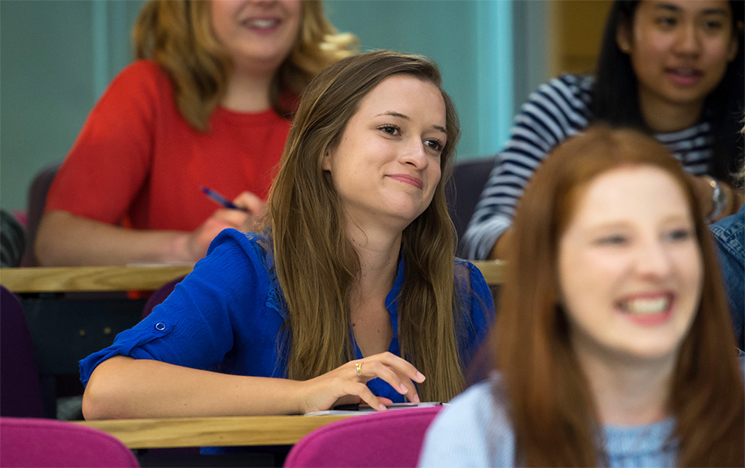
Find academics working within American Studies.
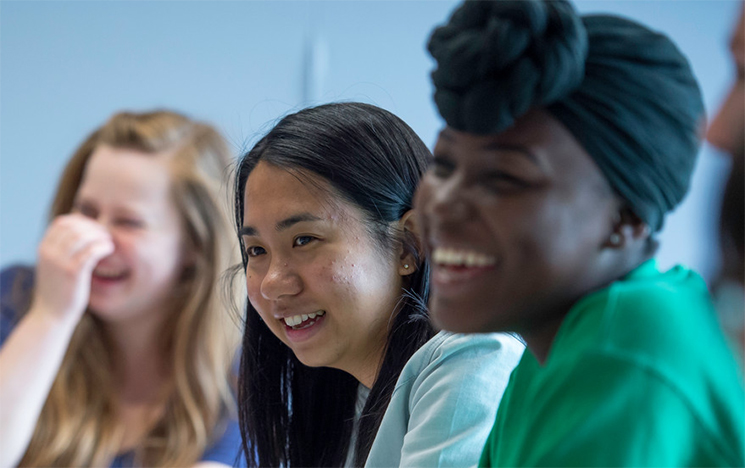
Discover more about studying and life as an American Studies student.

Explore our careers support and prepare for life after University.