
Past ECR events
Across the last few years, the ECR Symposium has highlighted the work of our early career researchers and provided a focus for their development.
The annual ECR Symposium brought early career researchers – research assistants, postdocs and research fellows – out of their office or lab bubbles to make connections across disciplines, consider their career progression and development, and be inspired by others.
As part of the Summer of Research, our ECR-focussed events continue to showcase and celebrate Sussex’s brilliantly diverse ECR work and the important contribution it makes to the wider University. Check out this year’s schedule on our main Celebrating Emerging Researchers page.
Take a look back at previous Symposium highlights.
SRS Summer of Research Events 2026
- Programme of events
-
- British Academy ECR Network – Sussex Chapter Launch
- Emerging Researcher Image Competition.
Emerging Researcher Image Competition 2026
ECR Winner: Ghulam Shair (Global Studies)

View all image competition entries
SRS Summer of Research Events 2025
- Programme of events
-
- Women’s Leadership Academy Showcase
- Beyond Research World Café
- Speed Mentoring for Researchers
- Catalysing Connections: Diverse Careers Panel
- Emerging Researcher Image Competition.
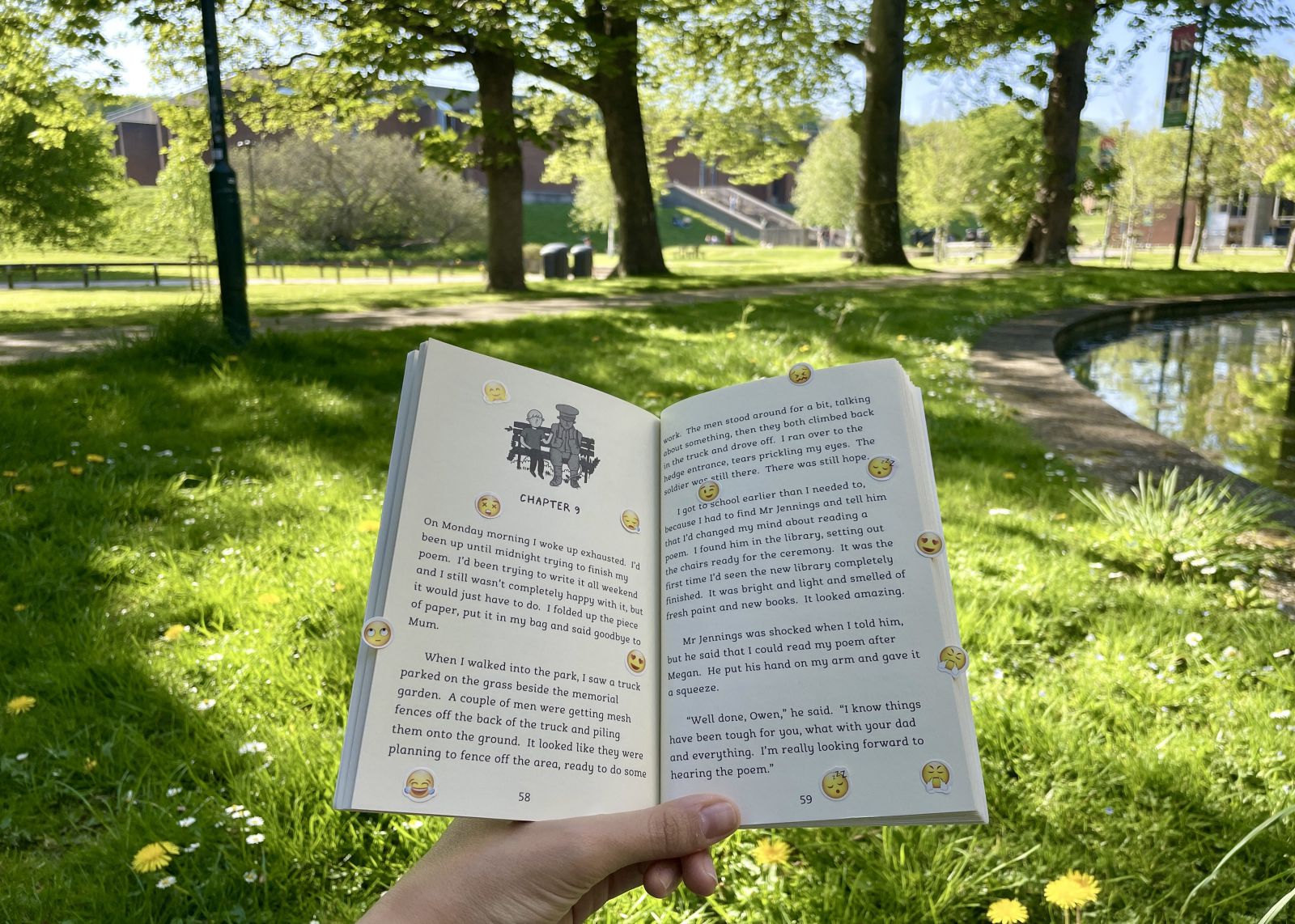
Emerging Researcher Image Competition 2025
ECR Winner: Persefoni Tzanaki (Psychology)
View all image competition entries
ECR Symposium 2024
For the best viewing experience, open the Sway in full screen. The accessibility view provides a high-contrast design and screen reader access.
- Programme of events
-
- Keynote: Prof Kristine Langhoff on research careers
- Diverse careers roundtable:
- Prof Kristine Langhoff, Professor of Social Work (Education and Social Work)
- Dr Elizabeth Rendon-Morales, Associate Professor (Engineering and Informatics)
- Dr Henry Dore, Research Fellow (Engineering and Informatics)
- Dr Dominic Dean, Sussex’s Senior Quality and Impact Manager
- Dr Esther McMahon, Lecturer in Education Studies at University of West London
- Dr Rosy Favicchio, Senior Editor at Nature Protocols journal
- Talk: ARC KSS on developing a policy brief
- Seed Fund showcase and networking lunch
- Workshop 1: Creativity in writing
- Workshop 2: Promotions
- ECR Dragons’ Den Final
- Drinks reception
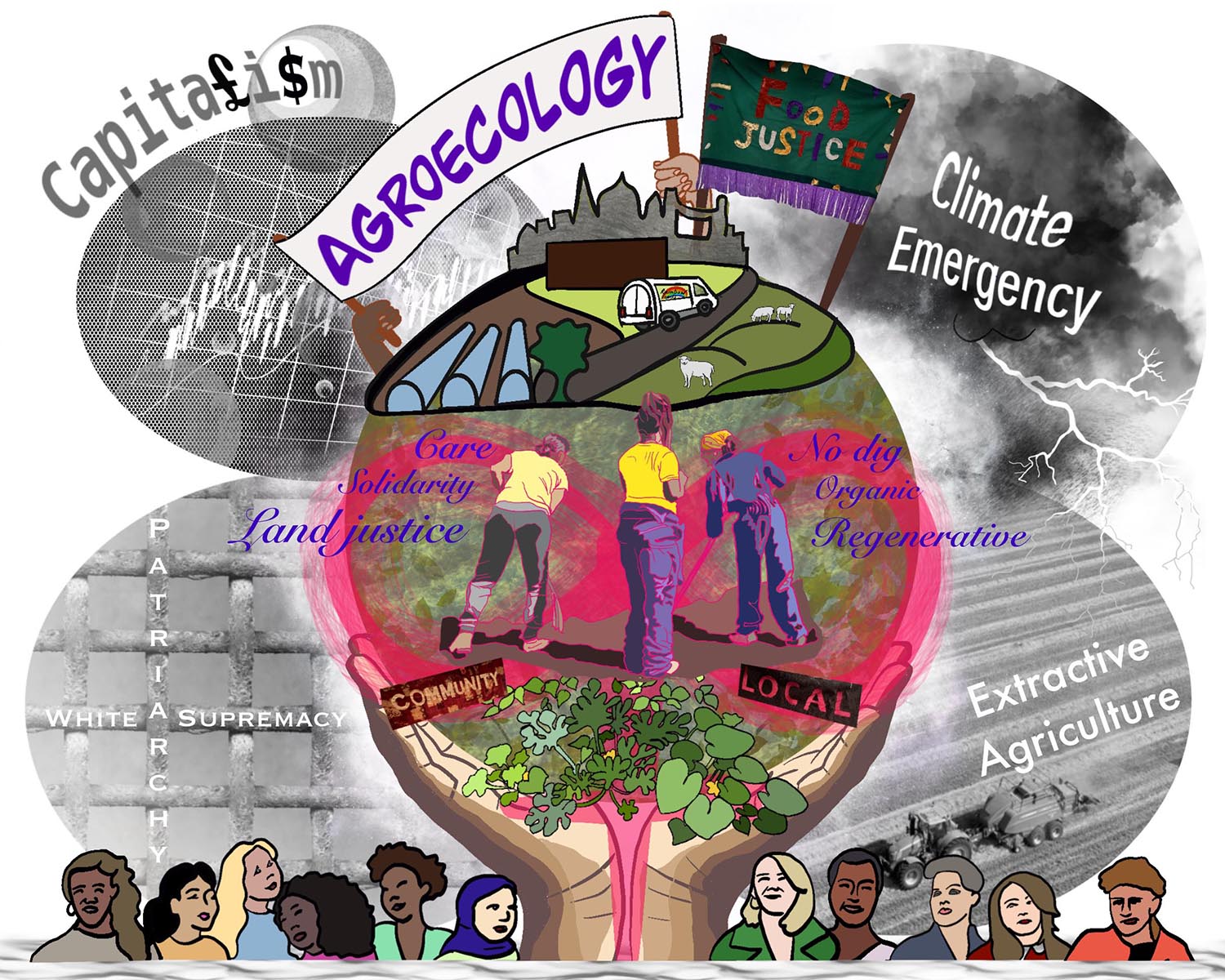
ECR Image Competition 2024
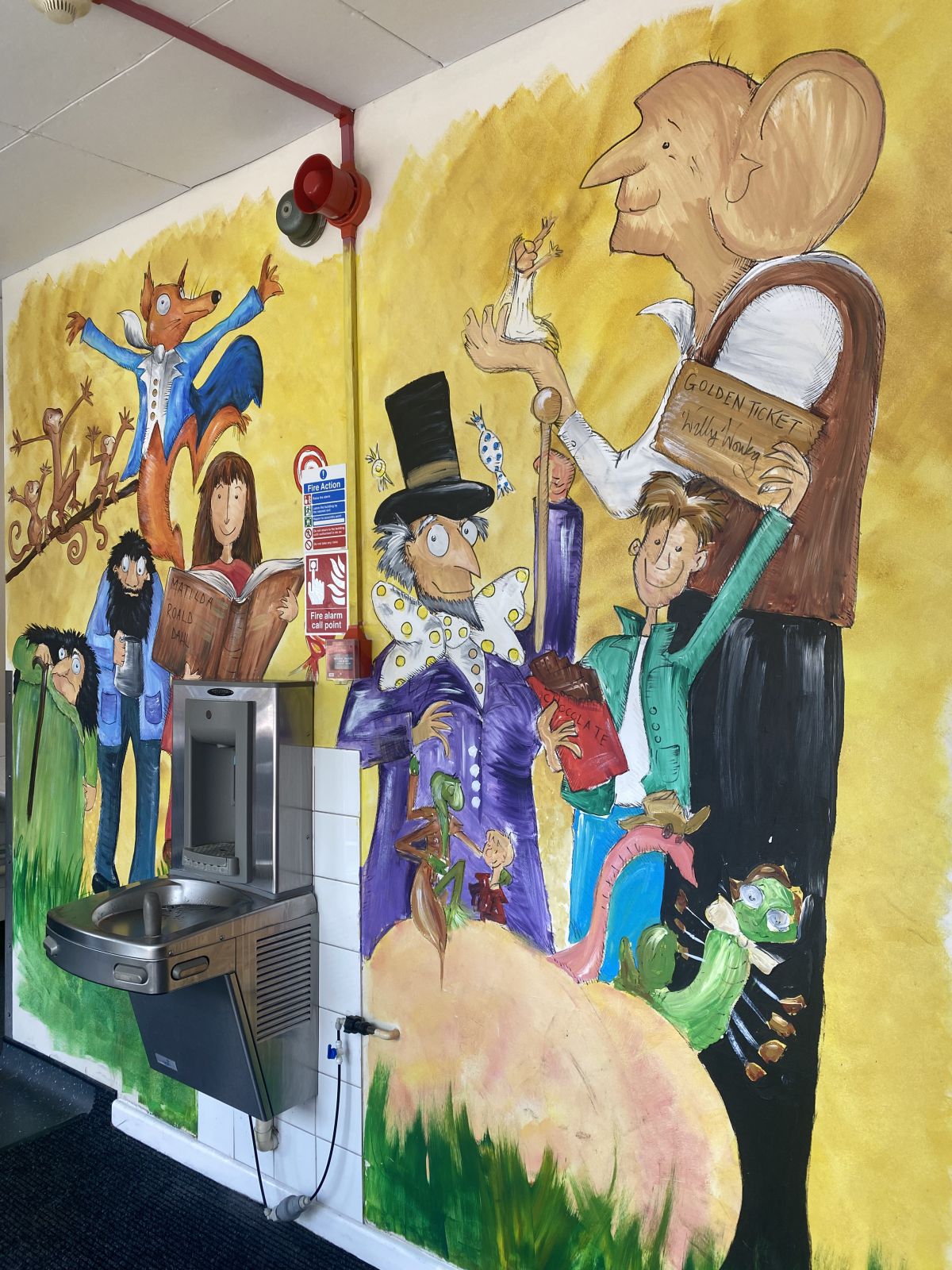
First place: Louisa Rinaldi (Psychology), Second place: Rachael Durrant (Business School), People's Choice Award: Jo Tregenza (Education & Social Work)

View all image competition entries
Dragons’ Den Competition 2024
The ECR Dragons’ Den was an opportunity for researchers to bid for up to £2,000 in research funding and gain experience in bid-writing and pitching to a non-specialist audience.
The award targeted innovative projects which, in line with Sussex’s impact strategy, support the development of knowledge that challenges conventional wisdom.
Participants pitched to three ‘dragons’: Dr Theodoros Karapanagiotidis, ECR Lead in Psychology, Peter Lane from Sussex Innovation, and Dr Ulla McKnight, 2023 Dragons’ Den Winner.
Results
First place: Grecia Garcia Garcia (Engineering and Informatics) – Developing and promoting guidelines for producing tactile diagrams [Read about Grecia’s experience, and how her project could change the future for visually impaired students.]
Second place: Mohammed Saber Sotoodeh (Psychology) – Rate me if you can! [view Saber’s talk on Panopto]
People’s Choice Award: Antonio Hinojosa Garcia (Life Sciences) – Cortical circuits underlying simple forms of learning
Runner-up: Becky Dobson Phillips (Law, Politics and Sociology) – Corruption: From bad apples to bad orchards?
- Video Transcript
-
Nice to meet you. First, we have Grecia Garcia Garcia. Grecia is from the Engineering and Informatics Department, and her idea is about developing and promoting guidelines for producing tactile diagrams.
It is very likely that at some point today you might have some diagrams at your table to try to look at the way they work. But imagine how you would access that information if you were blind. Our project is about giving access to graphical information to people with visual impairment, and explaining what the project is about. I’m going to start with an example. This is a typical line graph, but it is also an example of tactile graphical material.
It is printed on a special kind of paper that has a raised surface. If I close my eyes, I am able to feel it. Note that when I’m talking about the material, I’m not talking about Braille, which is important, but about diagrammatic representations of information.
Now, if I asked you to read the diagram and close your eyes, I think you would find it difficult to read the data, and it would take a lot of time. Part of the issue is that this is almost a copy of what a sighted person would use. It is not designed for people with visual impairments. Another issue is that the guidelines used to create these diagrams are very generic. Some typical guidelines are simply to “simplify as much as possible.”
Diagrams like this are very common in subjects such as chemistry, physics, and biology. There are 37,000 people under 25 in the UK who are visually impaired. Imagine the issues they face when they have to read diagrams like this. Even worse, these kinds of diagrams appear in exam papers. The lack of better diagrams means that people with visual impairments do not have the same access to information as sighted people.
This restricts their chances to continue in education and into the future. But this is where we step in. In our lab, we use knowledge from cognitive science to create and design diagrams differently. We have had a few projects where we had the chance to create alternative line graphs. We had good results with students and teachers. Line graphs worked better than words, and there was a lot of support for this approach.
However, it is important to take these learnings into the real world. One of our future goals is to get examination boards in the UK to change the way they create tactile diagrams. We are planning to apply for an ESRC grant to support this. But in order to have a chance of winning the grant, we need to do some foundational work. This is what this project is about.
With your help, we want to use the £2,000 to create and develop a network of external collaborators and partners. This would include teachers, examination boards, and coaches. There are three main activities. The first is to extract guidelines from our previous research on how to create tactile diagrams.
The second is to make those guidelines accessible to different kinds of stakeholders. The third is to run a face-to-face workshop with stakeholders to present the guidelines and invite them to become collaborators and partners. With these three activities, we aim to start improving access to information for people with visual impairments. Thank you.Thank you very much. That was really interesting. I have two questions. First, could you tell us what role you would have if you received the ESRC grant?
The grant would support me as one of the principal investigators. In previous work, I played an important role in designing examples, planning the research, and sharing samples with stakeholders such as schools and teachers.
The second question is about making the guidelines more accessible. What does that process involve, and what are the steps?
This involves making the guidelines available online and integrating them into the research process. We already have journal papers, but accessibility requires additional formats and features. Thank you.
I have a question about your methods. You mentioned using cognitive science in the creation of these diagrams. Could you tell us more about that?
We study how people read and interact with diagrams. We observe behaviours, test which tactile features are most effective, and make recommendations based on those findings. We also learn how to introduce scientific concepts effectively for teaching. Further tests help us understand how useful these diagrams are for learning, particularly for teachers. Our approach focuses on how people understand information, how they interact with diagrams, and which features help or hinder comprehension. Based on feedback from students and teachers, we decide which elements to keep or remove.
Our goal is to make diagrams more effective by combining observation and measurement.I have another question. You mentioned collaborating with teachers. Have you faced any difficulties so far?
One of the main difficulties is getting teachers and schools to collaborate. Participation can be challenging, even though accessibility is a key issue.
What we have done is develop relationships through open conversations, showing teachers the value of what we are trying to achieve. This helps reduce confusion and build trust. Another challenge is reaching other stakeholders, such as publishers. Teachers have been helpful by spreading the word, and we are starting to get initial leads. We hope these leads will help us connect with more stakeholders in the future.There was also a question about commercialisation and wider adoption. The main challenge is that all stakeholders are interconnected. Teachers need publishers to produce the materials, publishers need examination boards to specify requirements, and examination boards need evidence from practice.
This creates a “chicken and egg” situation.Our initiative aims to bring all stakeholders together so they understand the differences, the needs, and the benefits. By starting with a small project, we can demonstrate real practice, show that teachers support it, and clarify what examination boards want. That is the biggest challenge.
Thank you.
- ECR Symposium 2023
-
ECR Image Competition
- First place: Simon Williams (Media, Arts and Humanities)
- Second place: Henry Dore (Engineering and Informatics)
- People’s Choice: Ulla McKnight (Law, Politics and Sociology)
Dragons’ Den Competition
- First place: Ulla McKnight (Law, Politics and Sociology)
- Second place: Eleanor Jayawant (Brighton and Sussex Medical School)
- People’s Choice: Amanda Ferrell and Su Morris (Psychology)
- Runner-Ups: Henry Dore (Engineering and Informatics), Gemma Aellah (Brighton and Sussex Medical School) and Laurence Bush (Engineering and Informatics)
Programme of events
- Keynotes – Empowering Early Career Researchers: Unleashing the Potential for Research Impact and Exploring Diverse Career Pathways, by Dr John Thompson from the Sussex Sustainability Research Programme and Prof Chris Bird from Sussex Neuroscience
- Careers roundtable with Dr Sarah Lilley, Research Fellow at Sussex Drug Discovery Centre, Dr. Peter Hurley, Senior Data Scientist at AECOM, Dr. Bente Bjornholt, Sussex Research Development Manager, Dr John Thompson, Co-director of the SSRP and Dr. Katherine Parker-Hay, Publishing Development Officer, Open Library of Humanities
- Research Culture Seed Fund Showcase and Networking Lunch
- ECR Image Competition
- Dragons’ Den Final.
- Sussex Impact Day 2017
-
Building on the successful Spotlight Profiles of Sussex Research Fellows, in June 2017 the Research Staff Office hosted a Spotlight session as part of the annual Sussex Impact Day.
The aim of the session was to celebrate the research achievements and impact of the University's Research Fellows through a series of short, engaging TED-style talks from postdoctoral researchers from across the University.
Guest speakers for Spotlight @ Sussex Impact Day:
- Dr Adam Barrett – Measuring Consciousness
- Dr Stefano Caserta – Discovery of Novel Biomarkers for Sepsis
- Dr Priya Deshingkar – Demonised migration brokers offer useful lessons for reducing migration risks
- Dr Helena Harder – From Patients to Apps: developing bWell – a breast cancer app
- Dr Mari Martiskainen – The Energy Cafe – Community Action on Fuel Poverty
- Dr Christiane Oedekoven – Remembering events – the influence of memory impairment
- Dr Katarzyna Pisanski – Science for sale: Predatory journals and editorial misconduct
- Dr Elizabeth Rendon-Morales – First minute of life: novel technologies for heart monitoring.
If you have any queries about the ECR Symposium, get in touch with us at researcher-development@sussex.ac.uk.