
Research
See the work being carried out in History, Art History and Philosophy.
Find out about Art History at Sussex, based within the School of Media, Arts and Humanities, and search for people who work there.

Art History at Sussex was established in 1967. We are recognised internationally for our pioneering inter-disciplinary approach to art’s histories and for our work in unpacking the cultural, political, social and economic significance of visual and material culture.
5th in the UK for History of Art (Guardian University Guide 2026)
Our specialisms range from the classical to the contemporary. We have pioneered the feminist study of Art History across periods ranging from Byzantium to the Present and were among the first UK universities to study photography, an area in which we continue to thrive. Other strengths include:
We have forged extensive links with a wide range of museums, galleries and collections. Many staff have international reputations as curators and we are regularly asked to advise on international exhibitions and collections. Our research informs exhibitions at museums and galleries such as Tate, the Metropolitan Museum of Art and the Science Museum. These exceptional connections create opportunities for our students.
Every week, prominent artists and curators give talks, screenings and masterclasses at Sussex. Regular Art History Work in Progress Seminars allow students to experience current research by leading academics and curators from around the world.
Gaining this experience during my degree has given me great insight into how house museums work – it has really built my confidence.”Cecily Daffern
Art History BA
The University Art Society provides Art History students with the chance to work alongside faculty to organise talks, events and screenings. The Art Society also curate exhibitions and run art classes.
Our links with schools, colleges and local communities provide further opportunities to engage with people beyond the university through the study of art and its histories.

See the work being carried out in History, Art History and Philosophy.
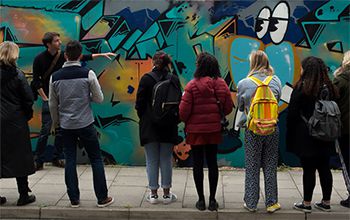
Find academics working within Art History.
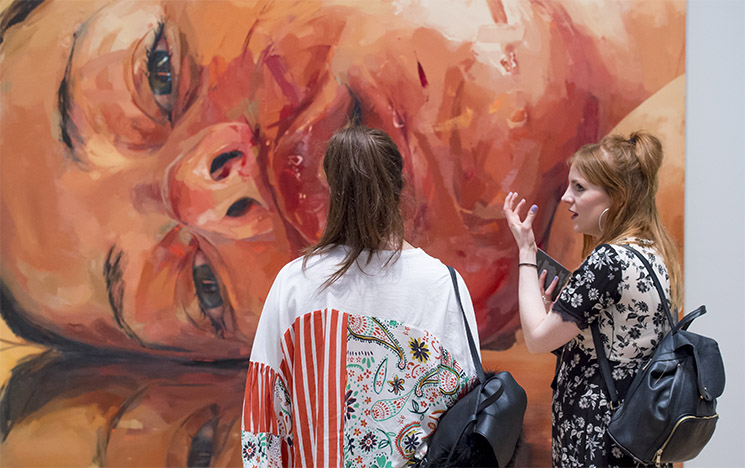
Discover more about studying, and life, as an Art History student.